

Feng Shui side door entry means the door you actually use every day is the mouth of the house, even if the facade is prettier. Clear that swing. Map from that latch. The unused front is honest when it stays quiet, not a second half-blocked mouth.
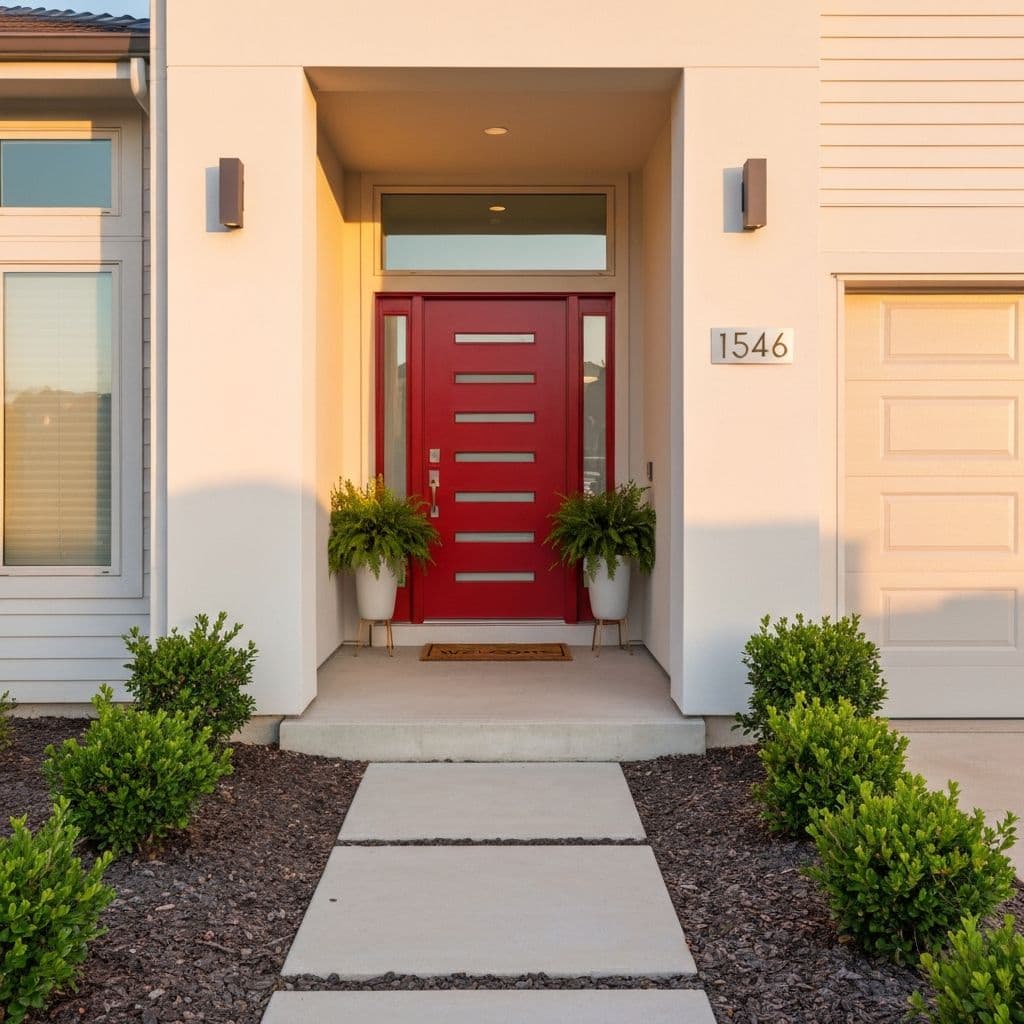
When we photograph houses, the front is styled for the listing and the family pours through the kitchen leaf with boots, bags, and a recycling crate in the arc. People ask if they must start using the front "for chi." We ask which handle they grab on a Tuesday. The front door guide is the mouth in general. A mudroom keeps wet gear off that walk. Double front doors is which leaf of a pair you unlock. This page is the side or kitchen door that already won the keys.
Which door is the front door if you use the side?
The one with the latch you use on a workday. Hardware and a house number on the street do not override your keys. Black Hat bagua lines the bottom row with the wall that holds that working door. Compass facing is the way you look out when you stand in that same opening.
If you open the street front for guests twice a year, that is a party. Then you can bolt it again. Two daily mouths with piles behind each is two blocked entries, not extra chi.
A renter in a small block of flats may only have one door. Then this page is short: that door is the mouth. A house with a driveway leaf is the usual side-door job.
House numbers and color maps belong on the leaf people can find, and on the leaf you treat as the mouth. If the side door is hidden, a small readable number or a light on that path helps guests. Do not paint only the unused front a loud red and leave the working leaf as primer. The front door color article is facing color. Apply it to the door you face out of.
How we check a real side entry
We watch which door opens for the grocery bags. We stand in that leaf looking out, then looking in. We measure the swing with a basket. We note the prettier front and whether it is a storage wall. We do not add a second mat at a door nobody uses just to "balance."
If the client already "activated" the front with a fountain they walk around, we still clear the side. Water features have their own pages. The mouth is still the latch in their hand.
What belongs in the first meter of a side door?
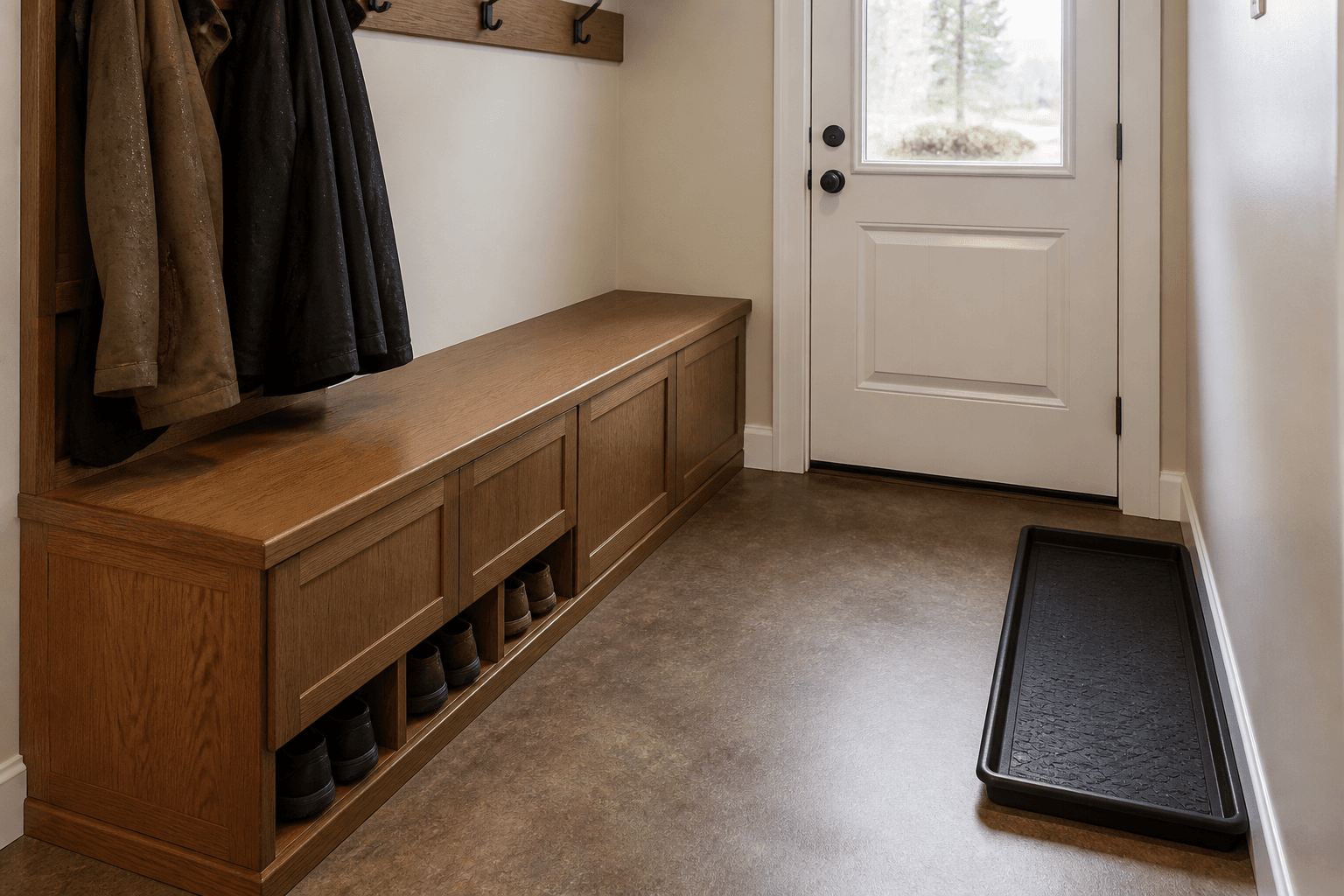
The same tests as any entrance: a mat fully on the floor, a walk that lets the door open, coats on a side wall, shoes in a tray or a closed bench, light on your face as you come in. The front porch is the first outdoor meter of a street front. A side path from the driveway is the outdoor version for this leaf. Keep bins and a grill off that last meter. The barbecue row can wait. Tonight, the crate in the arc leaves.
If the side door dumps into the kitchen, the cook still needs a glance at who enters. That is stove-facing-door geometry, not a reason to block the leaf with a baker's rack. Keep a tray-wide aisle. Wet boots on a mat that sits out of the cook path. A mountain of soles in front of the fridge is the shoe-storage fail on a kitchen floor.
A side door into a mudroom is already halfway done. Use the mudroom page for closed cubbies. This page only names the latch as the mouth so you do not map the bolted front.

That is the daily mouth. The photograph from outside should match the keys, not the listing's front.
Should bagua and compass start at the unused front?
No. If you never walk through it, it is not the overlay door. Drawing Black Hat from a bolted street leaf puts "career" on a wall you pass once a month and dumps "wealth talk" in a room you do not enter that way. Stand in the side door. Look in. That is the 3x3 for a door-based map.
Compass facing: stand in the side door looking out. That heading is facing for this house if this is the door you use. Sitting is behind you. The facing-versus-sitting article is that pair of terms. Do not steal a north-facing-house page for a side door that actually looks west.

That front can stay a quiet leaf. It is not a second mouth until you actually unlock it daily.
Driveway path, packages, and light on a working leaf
The last outdoor meter of a side door is often a driveway strip, not a styled stoop. Keep bins, a grill, and a hose off that strip. The front-porch page is a street face. This strip is still a mouth. A motion bulb you already own beats a dark approach. Outdoor-lighting details live on that garden URL. Tonight, one working light so a face is visible.
Packages: a pile against the side leaf is the same as a pile at the front. Move boxes inside the same day, then flatten. A lockbox on a side wall is later calendar work. Do not leave a cart in the swing overnight.
Glass in a kitchen side door: you want a view out without a display of recycling against the pane. Film is a privacy choice if the lease allows it. Do not block the glass with a baker's rack and then complain nobody can see who is coming. The cook's glance is stove-facing-door. The arrival glance is this leaf.
Pets: a lead and a bowl in the arc are a trip. Put them on a side hook and a mat that is not the door's landing pad. The pets guide owns bowls and toxic plants. This page owns the swing.
If the side door is also the only egress from the kitchen, keep that path honest for fire as well as for chi talk. A pretty bench that traps you in a galley fails both.
Seasonal mats: a winter tray for wet boots is the rainy-season row later. Tonight, one tray that sits fully on the floor, not a curled rug the door catches.
Renter steps you can reverse tonight
- Name the door you unlocked today. That is the mouth.
- Stand in it looking out, then looking in. That is facing and the start of a door-based map.
- Walk the swing with a laundry basket. Move boots, recycling, and the dog lead off the arc.
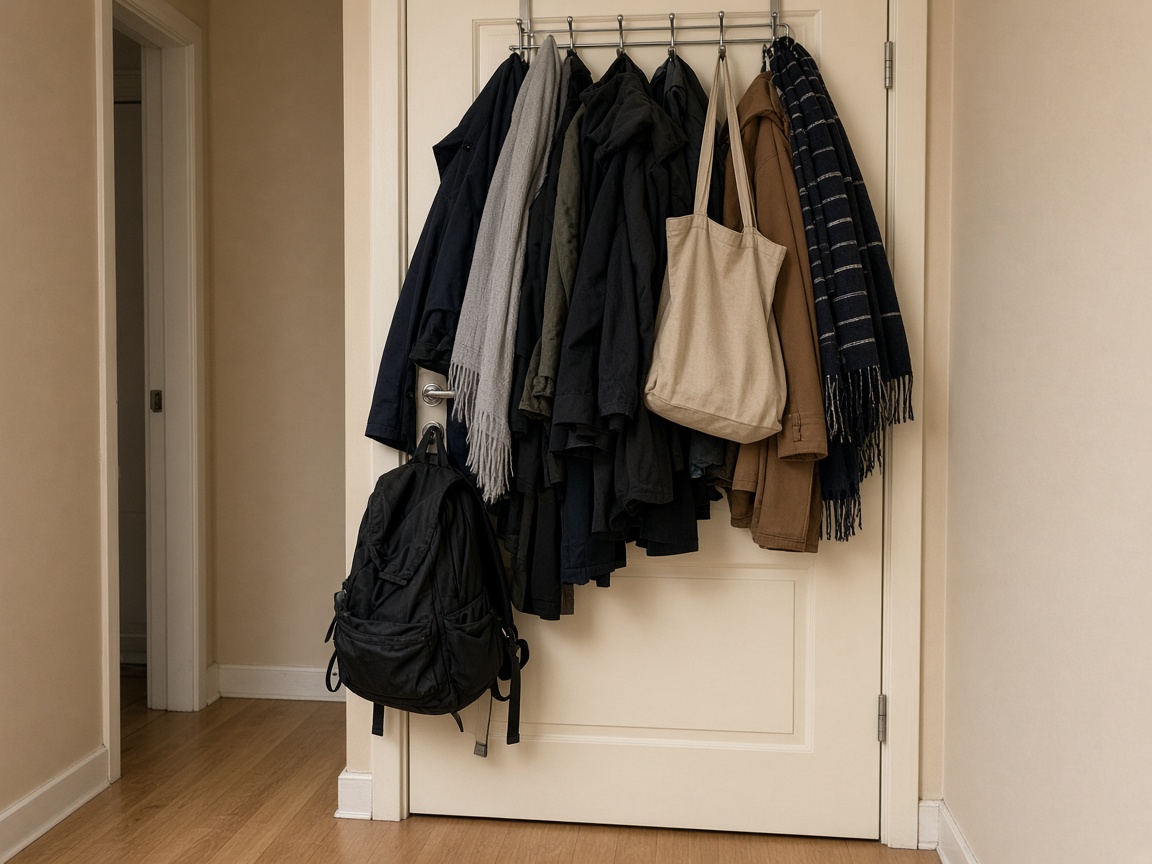
- Put a mat fully on the floor. Side-wall hooks for coats, not on the handle.
- Add a bulb or a plug-in so you can see a face at night. Skip a dark cave.
- Do not start using a second door "for chi" until the first one is clear.
- Skip drilling a listed facade. A removable hook on the working leaf is enough.
- Photograph from outside and from inside so the working leaf is the one in frame.
What this is not
It is not the front-door pillar. Same mouth tests, different leaf.
It is not a mudroom how-to in full. Wet gear storage lives there. This page names which latch you treat as the entrance.
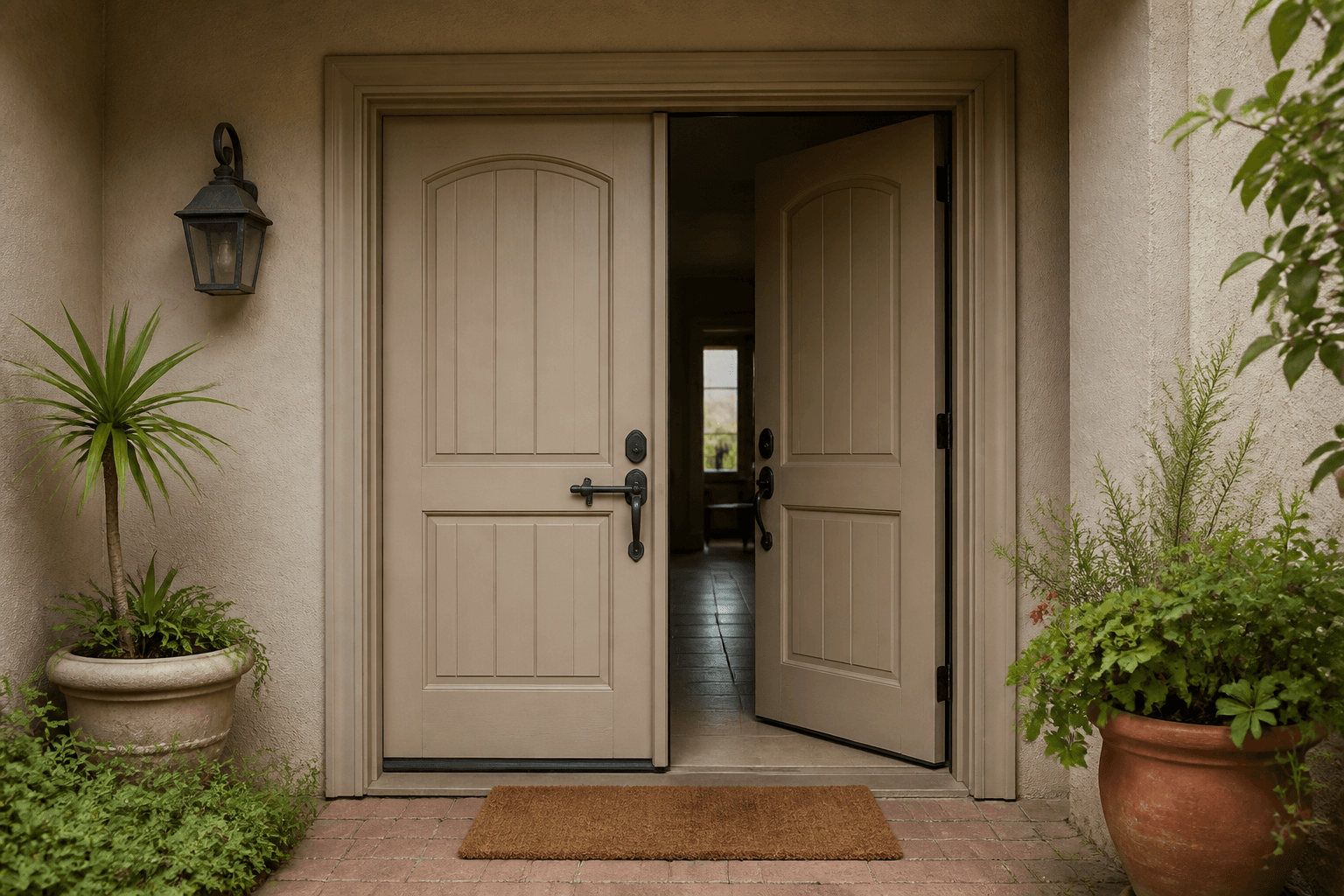
It is not double front doors, except the same rule: one working leaf.
It is not the later garage-to-house article. If that is your daily door, clear it tonight and wait for fumes-and-shoes detail on that row.
It is not a luck spell for opening both doors. Two blocked mouths are worse than one clear side leaf.
If you need a one-line check: keys, mat fully on the floor, swing that clears a basket, light on a face, map from that leaf. Guests can still find the street number. You do not owe the unused front a daily open. Photograph both doors once so you remember which one actually works. Then only shoot the working leaf for scans.
A side door that dumps into a stair is still a mouth plus a climb. Light the treads. Leave the landing empty of boxes. Stairs-facing-door folklore is a later entrance row. Tonight, the crate on the bottom step leaves.
What should you do tonight?
Use the door you already use. Clear the swing. Put the mat down. Hang coats to the side. Stop mapping the unused front.
Then photograph that leaf from outside and from inside. If the first problem is a crate in the arc, the overlay can wait. The daily latch is the side-door job. A prettier facade can stay for the listing photo.