
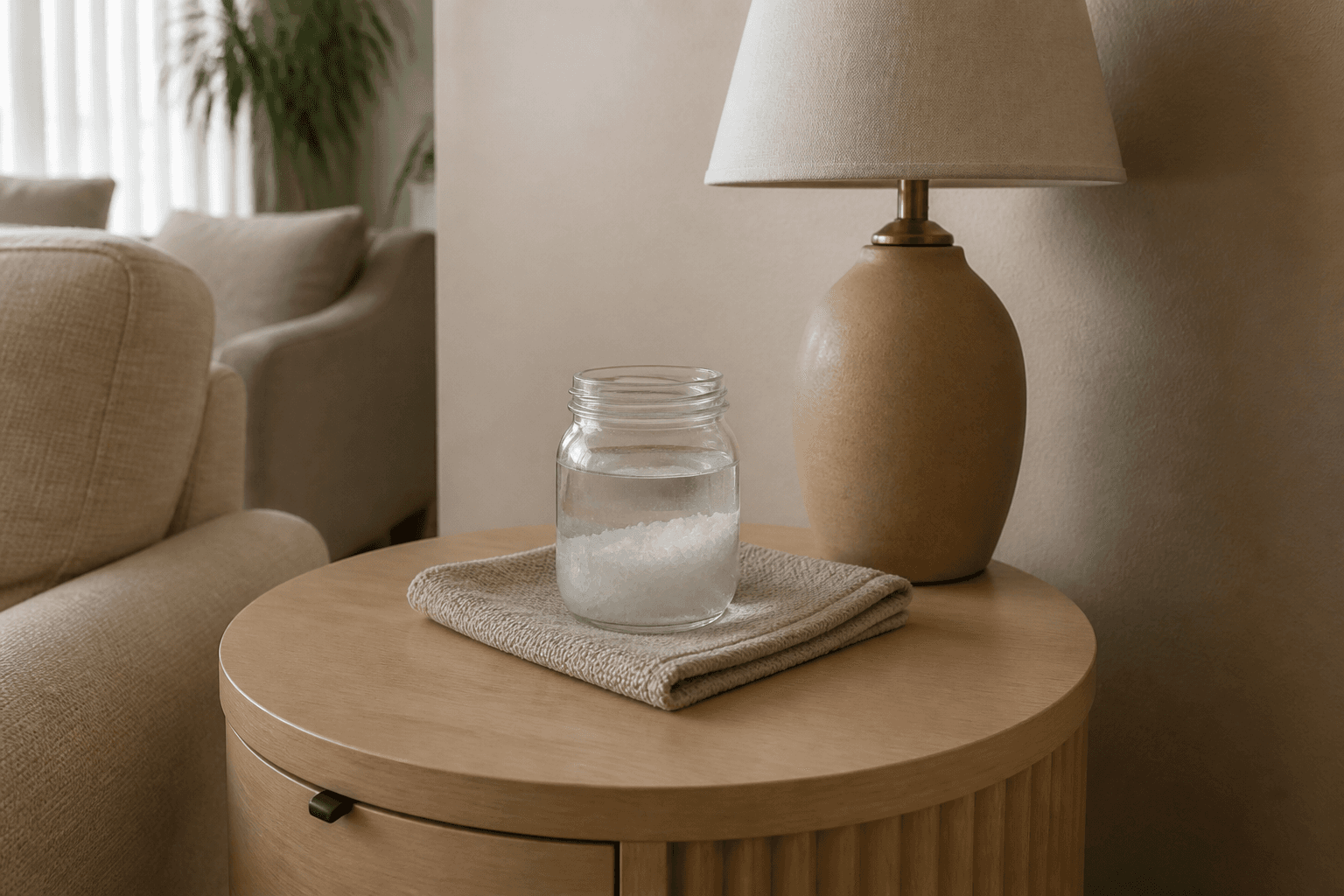
A Feng Shui salt water cure is an open jar of coarse salt and water some compass schools leave in a room. You place it where it cannot spill, you watch crystals and evaporation, and you retire the whole jar in the trash. It is a cultural procedure, not a luck machine.
When we photograph "cured" apartments, the jar is often on bare wood with a white crust welded to the finish. Or it is forgotten behind a sofa until it smells. People ask which flying-star year demands six coins. We ask whether the table can survive brine, and whether anyone will remember to throw the jar away. This guide is how, where, and when to stop. It is not a 2026 star chart.
What is a Feng Shui salt water cure for?
You are borrowing a household object: salt, water, an open glass. Some classical compass and flying-star writers place this in a sector they want to "absorb" a difficult star. Treat that map as optional homework. The physical object is brine in an open dish. It evaporates. It creeps. It stains.
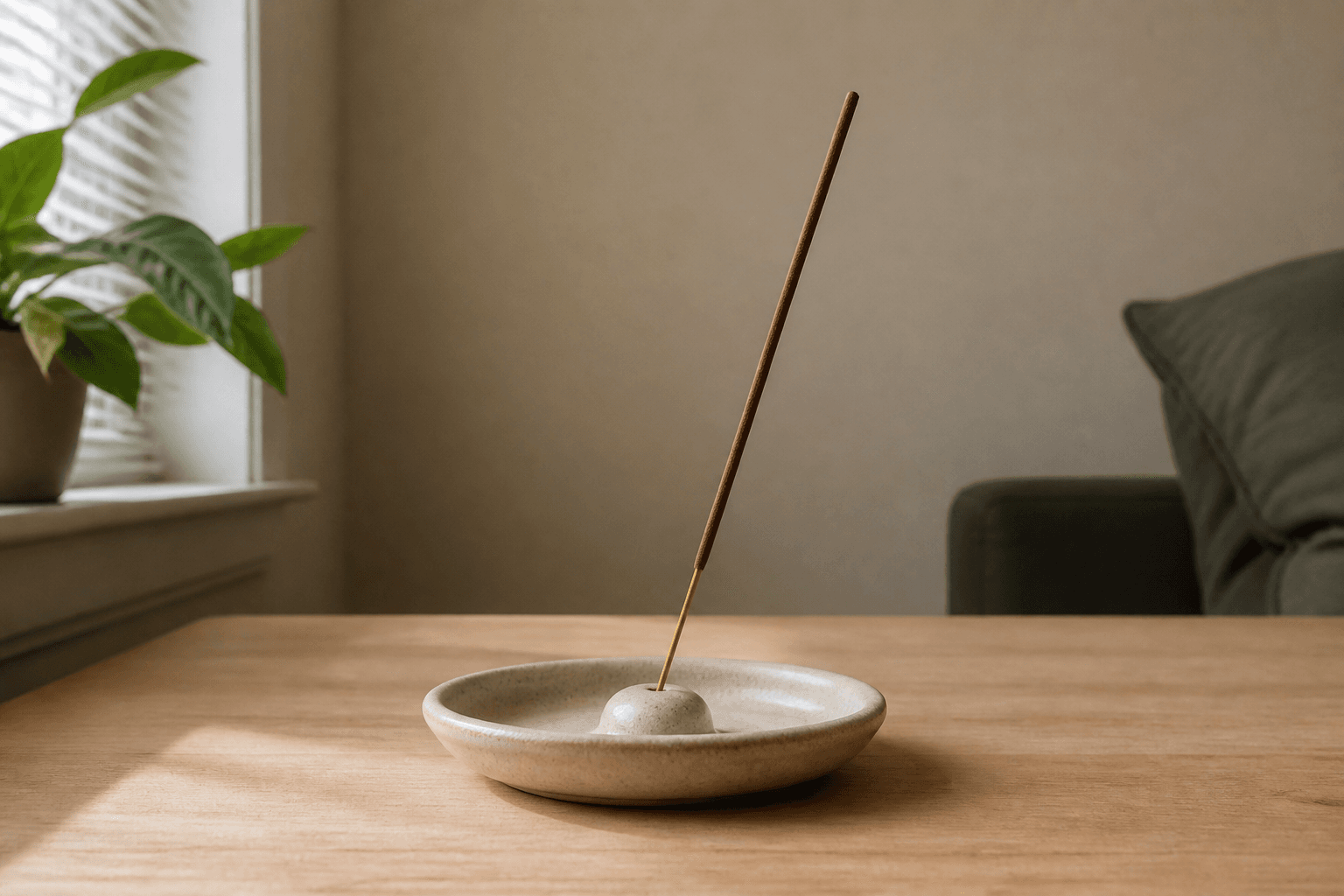
This page is not an incense smoke article. Smoke is an ember and a lease problem. Salt water is a wet stain problem. Both are extra. You do not need either to walk a room or to sleep.
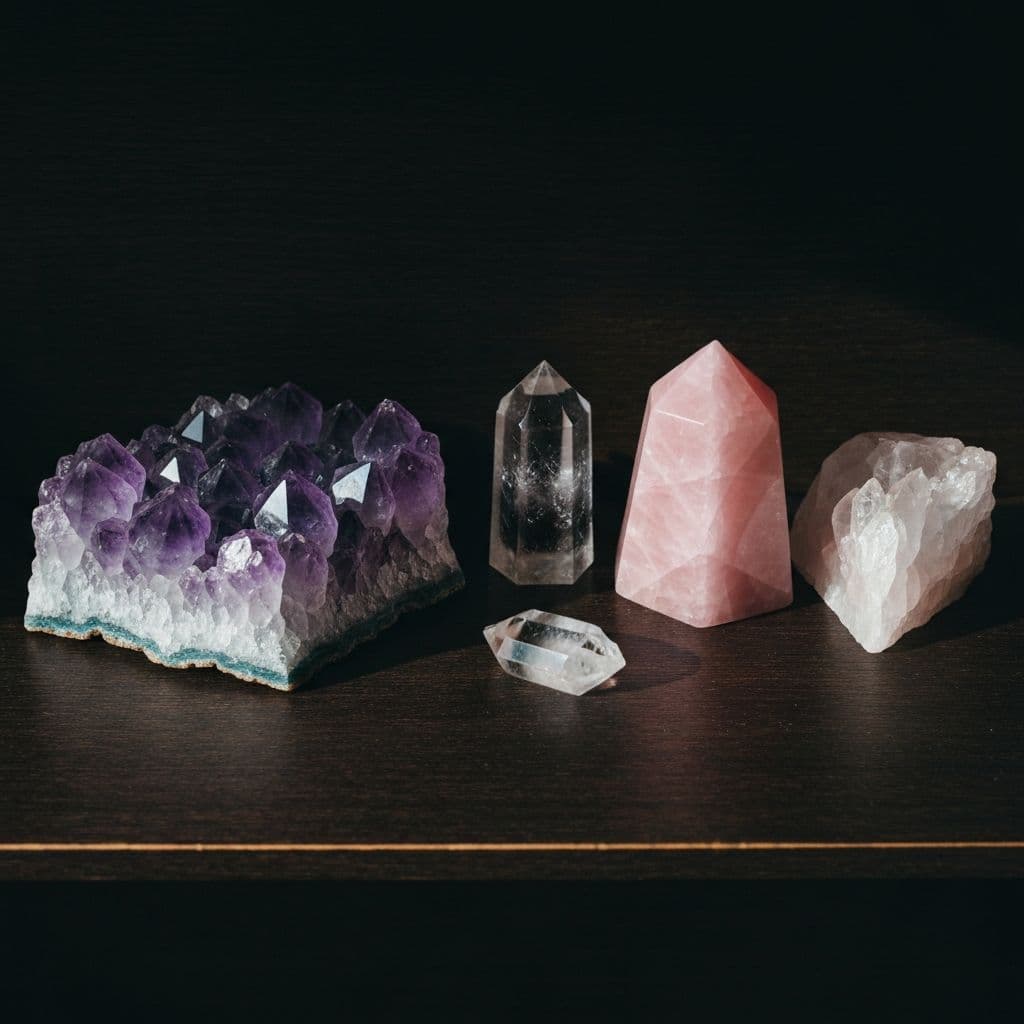
It is also not a crystal grid. Stones are dry objects you dust. Brine is chemistry on furniture. Do not combine them on one tray to "do water and earth."
Popular blogs say the cure eats negative energy and that gloves are required because the jar is toxic with qi. Salt is salt. Gloves are a good idea because crust cuts skin and because you should not lick your fingers after handling brine. The rest is folklore. Label it.
Coins in the jar are a school add-on. If you skip them, you still have a salt water cure in the ordinary sense: an open brine you will retire. Charm objects belong on a shelf you chose, not as a second pile next to a leaking rim.
How do you mix a jar you can actually watch?
Use a glass you are willing to throw away. Wide mouth. No lid. A lid traps nothing useful and people still forget the dish.
Coarse salt in the bottom, then water until the salt is covered with a little headroom. You will top up as it evaporates. Distilled versus tap is a shop argument. Tap is fine. Do not invent a purity number.
Put a folded towel or a cheap plastic tray under the jar. The rim will grow crystals. Those crystals wick onto wood. A waffle towel you can wash is the whole "professional" kit.
Place it where you will see it when you walk the room, but not where a hip will knock it. A side table against a wall. A high unused shelf you can still reach with a pitcher. Not the middle of a hall. Not a wobbly plant stand.
Keep it off laptops, outlets, and a child's height. A cat will drink it. Put it where a pet cannot.
What you are watching
Crust on the rim is ordinary evaporation, not proof the year is cursed. Dust, hair, and bugs mean you waited too long. A dry cake of salt means you stopped watering. Any of those is a retire signal.
Do not scrape crystals back into the jar as a ritual. That is how you knock the whole thing over. When the rim looks like a sculpture, bag it.
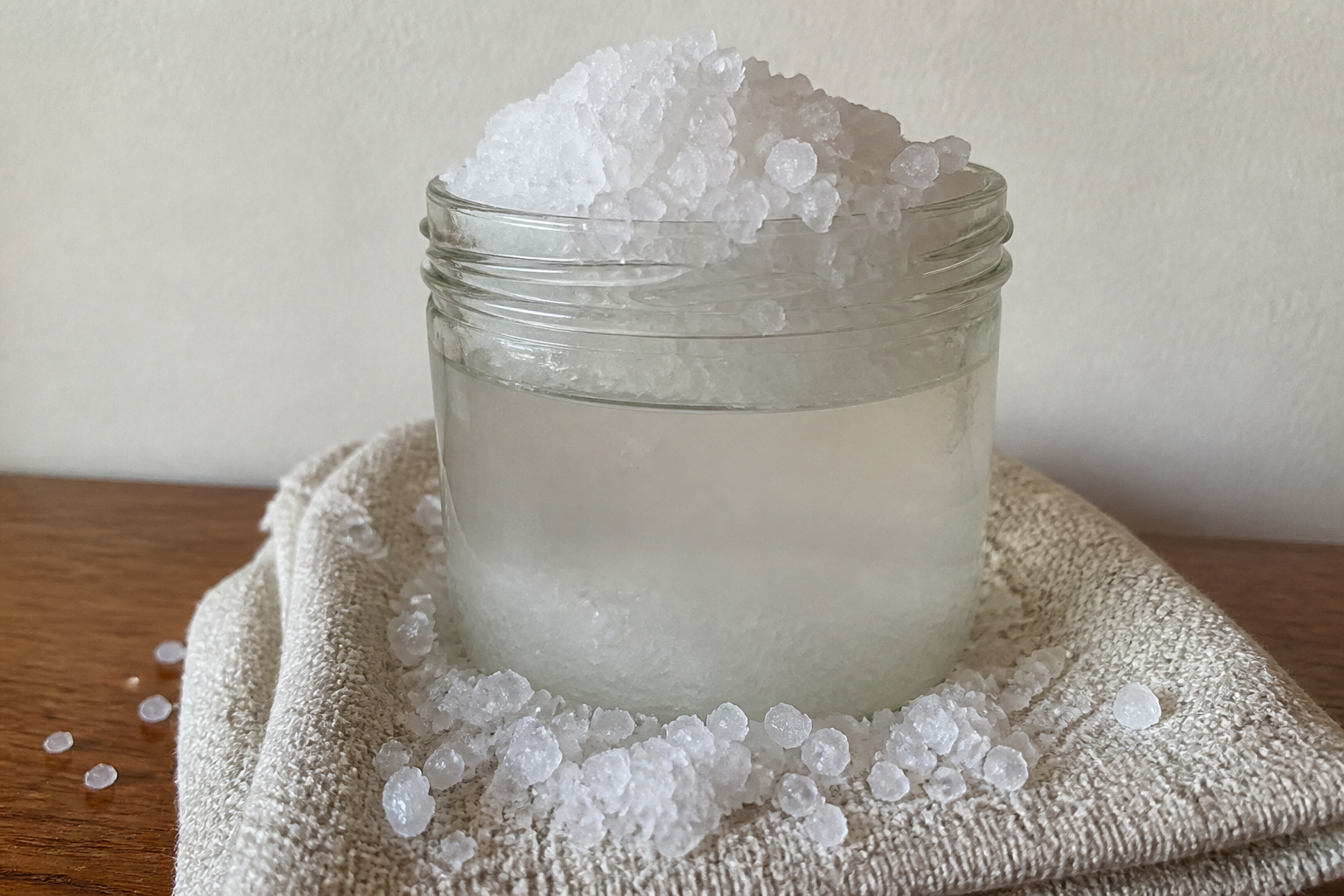
That overflow is the object doing chemistry. Protect the table. Do not celebrate the crust as income. When it looks like this, you are close to trash day, not to a promotion.
Where should the jar sit in a rental?
Pick one surface. Write it down so you do not grow a second jar "for the other star."
A living-room corner behind a plant is common in the blogs because they want it hidden. Hidden is how you forget it. Better: a side table you dust, with the towel visible. Guests can ask. You can say it is salt water you will throw away.
Skip the bedroom nightstand. You sleep next to a wet rim. Skip the kitchen next to the stove. Skip a bathroom shelf over toothbrushes. Skip a closed cabinet. An open jar in a cupboard is a damp box.
If you are following a flying-star map, that school will name a sector. This site will not invent the year's numbers. If you do not have a chart from a person you hired, you do not owe the apartment a star jar. A lamp in a dark corner is the Form School version of "this cell is attended."
Entry tables already fight keys and mail. A brine jar there is a spill on the mouth of the house. Keep the front door path as a walk. Put the jar deeper in, on furniture that can take a towel.
When do you retire it, and how?
Retire when the jar is crusted, dirty, dry, or when you are simply done. Early February is the calendar many classical writers use because they reset annual objects then. You may empty a failed jar on a Thursday in September. Waiting for a solar new year while brine eats a landlord table is not devotion. It is a deposit.
Wear gloves if the crust is sharp. Put the whole jar in a sealable bag. Tie it. Outdoor trash. Do not recycle the glass as a second craft. Do not fish the coins out for next year. The traditional instruction and the practical one agree: the kit leaves as a unit.
Do not pour remaining brine in the kitchen sink as a ceremony. Salt water is unkind to pipes and to a septic story you do not need. If you must empty liquid, do it outside on soil or an outdoor drain your building already uses for dirty water, then bag the glass. If you cannot go outside, bag the wet jar and accept that trash is the sink.
Wipe the table with a damp cloth after the jar is gone. Crystals left on oak keep drawing moisture.
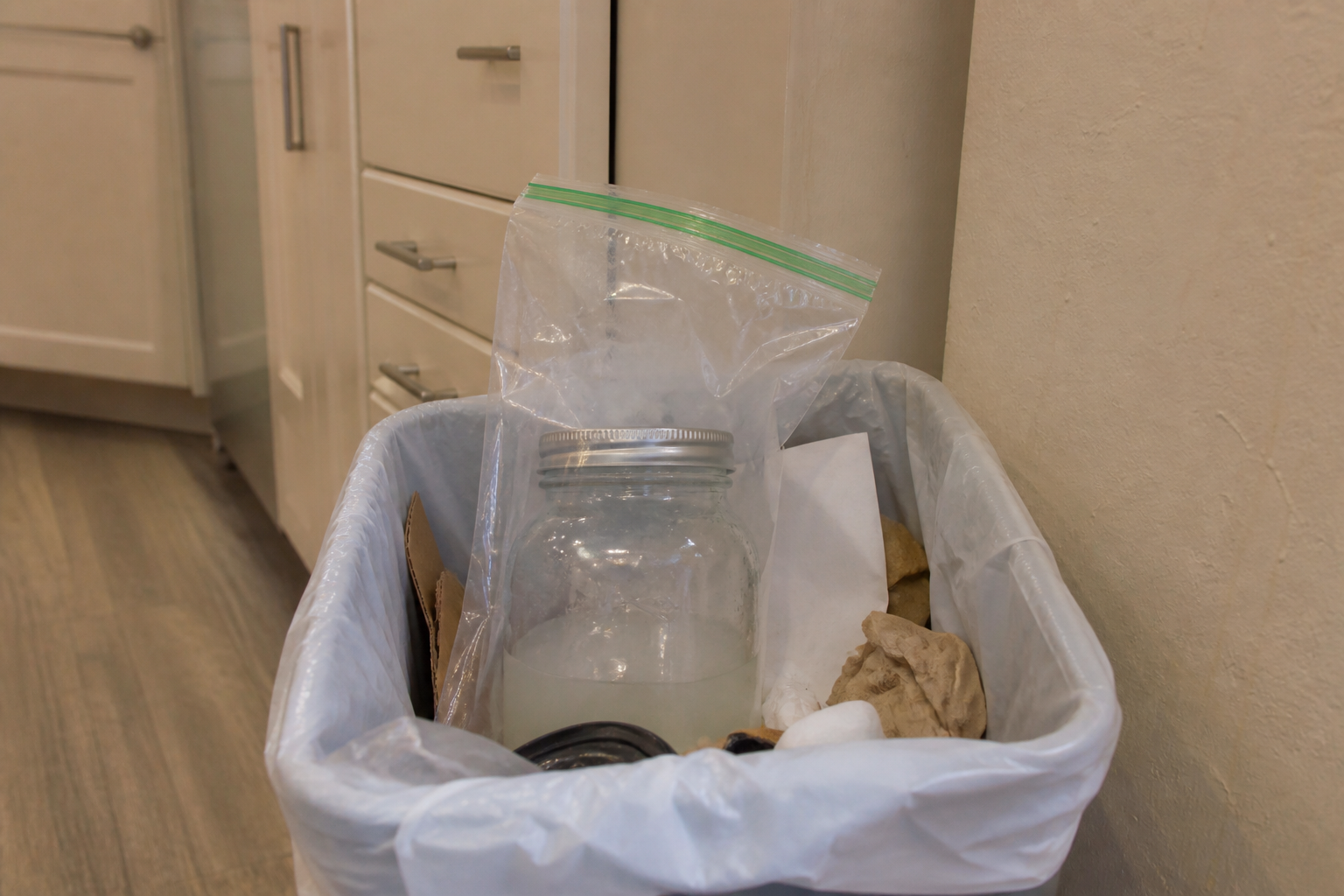
That bag is the retire step. It is not glamorous. It is the point. A crusted jar on display is clutter with a story. Trash is how the procedure ends.
If you never wanted the object
Skip it. Open a window. Take out the pile. A space you actually clear beats a forgotten brine. Buildings that ban standing water have already decided.
If a relative left a jar when they visited, bag it. You do not inherit a stain.
How we check a jar in a real room
We look at the table first, then the jar. If the wood already has a white ring, the last person skipped the towel. If the jar is behind the sofa, nobody is watching it. If there are three jars, someone has been collecting stars instead of retiring them.
A living-room side table next to a seat you use is the layout that survives. You see the rim when you sit. You can top up water without hunting. A "hidden" cure behind a plant is how brine becomes a surprise on clean-out day.
Kids and pets change the placement. A coffee table in a toddler room is a drink. A cat will investigate. High shelf with a tray, or skip the object. A lamp in that same corner still marks the cell as attended without a wet rim.
If the jar tips, treat it as a spill. Towels. Dry the wood. Bag what is left. Do not ritually mop "sha" into the hall. Salt water on oak is a finish problem. Tell the landlord if you stained a table that is not yours.
Jar versus a lamp
| Object | What it does | When to skip |
|---|---|---|
| Open salt jar | Evaporates, crusts, needs trash | Pets, toddlers, fine furniture, you will forget it |
| Lamp in a dark corner | Makes the cell usable at night | Never, if the bulb works |
| Coins in the brine | School add-on, more metal in the glass | If it turns the table into a charm shop |
If you already own incense, do not park a brine jar on the same tray as a stick. Wet and ember are two different messes.
Annual versus monthly placement is a flying-star classroom split. This site will not print a 2026 sector list. If you did not hire that map, you do not owe the apartment a moving jar. One jar you will actually retire is the honest maximum.
What this is not
A salt water cure will not absorb a bad year, a bad boss, or a medical diagnosis. It will not raise rent you can charge. It will not replace a plumber.
Skip "never touch it with bare hands because of sha." Skip pouring it on a neighbor's side of the fence. Skip a new jar every month unless you like buying glass.
Do not mix this with smoke, bells, and a toad on the same tray. One object you will retire is enough.
A simple evening checklist
Do this in order. Stop when the surface is protected or the jar is gone.
- Decide whether you even want an open brine. If no, skip to a lamp and a clear walk.
- If yes, set a throwaway glass on a towel on a stable side table, off the walk.
- Salt, then water, headroom at the top. No lid.
- Write the date on a piece of tape on the towel, not on the landlord table.
- Top up when the salt is dry on top. Retire when the rim is a sculpture or the jar is dirty.
- Bag the whole jar. Outdoor trash. Wipe the wood.
If you only do one thing tonight, look at any jar you already have. If the rim has left the glass, bag it. If you have no jar, put a lamp in the dark corner instead of mixing one because a blog said the year is hungry.