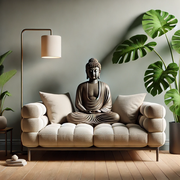

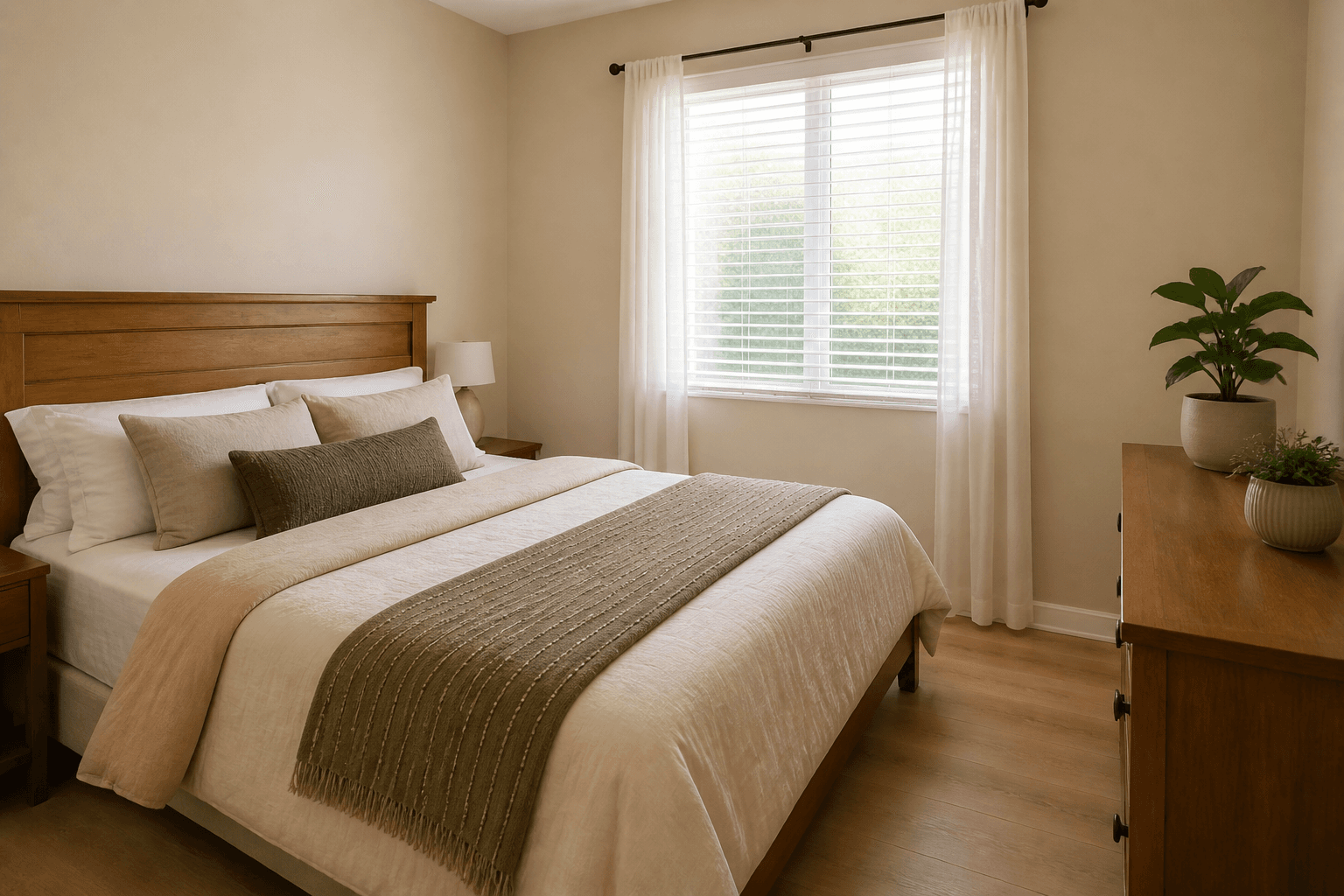
Feng Shui plants for bedroom are living plants placed for sleep-safe layout: a side wall or far corner, never a hedge in the command sightline from the pillow, and never dripping on the bed. You water what you keep. Dead plants leave. Wealth-plant lists belong in living rooms and offices, not as a nightstand sleep hack.
When we photograph bedrooms, the plant is often the last object someone added and the first thing in the pillow's view. A ficus in the door line. A hanging pot over the headboard. A crispy fern on the nightstand in a saucer of stale water. People ask which species is lucky for sleep. We ask whether they can see the door, and whether the leaves drip on the pillow. This guide is that placement, then the watering, then what to take out.
What are Feng Shui plants for a bedroom?
They are a furniture-height problem: pot, drip, sightline, and whether you will water. Form School cares about path and whether the sleeper can see the door. A plant that turns that view into a hedge fails even if the leaves look healthy.
This is narrower than a full bedroom layout from the door. That page wants the bed on a solid wall, the door in view, and the mattress out of the threshold's center line. Plants sit on top of that geometry. They do not replace it. If the bed cannot see the latch, move the bed before you shop for a pot.
It is also a different job from the plants for wealth article. That page is living rooms, offices, and the folklore of money trees. A jade plant on a work desk is that job. The same plant on the nightstand is clutter next to your face. Do not treat a bedroom as a wealth corner with soil.
Chi talk on bedroom plants usually means attention and moisture. A living plant you water is ordinary upkeep. A dead one is a broken object by the pillow. Neither requires a bagua sticker on the pot.
Where should bedroom plants sit?
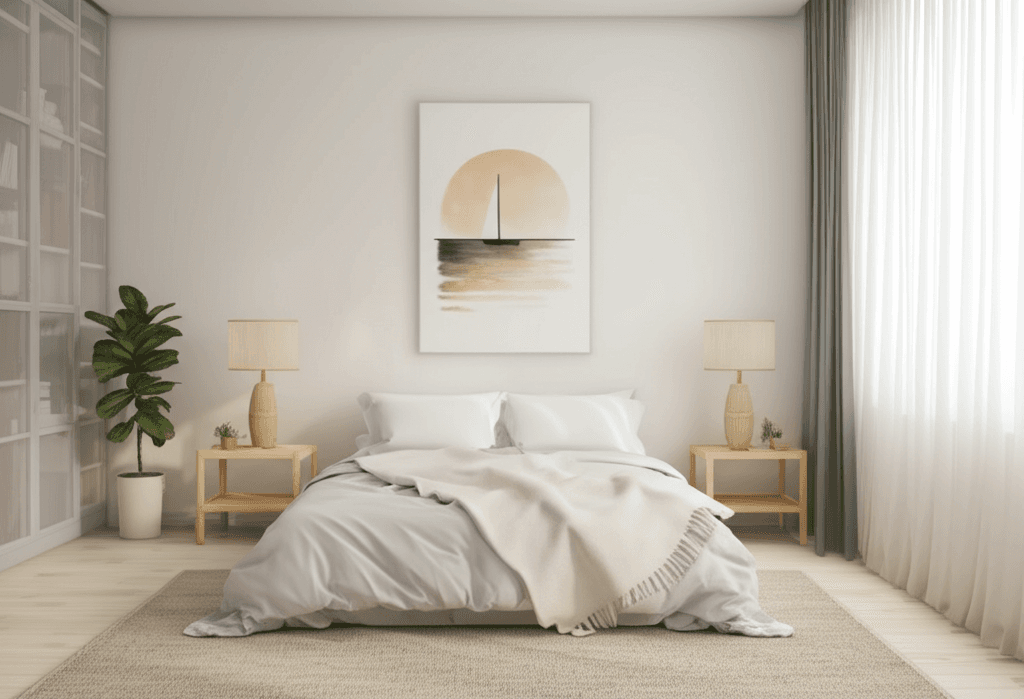
On a side wall or in the far corner, out of the walk from door to bed, and out of the line from pillow to latch.
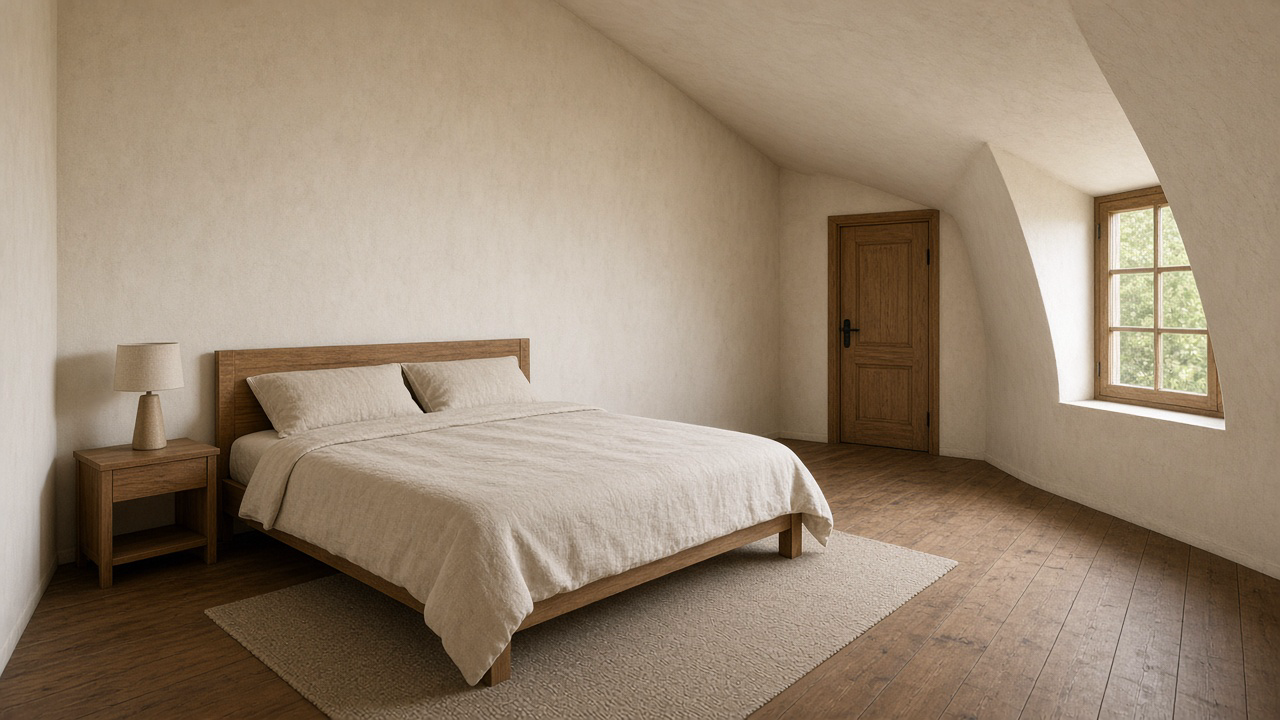
Stand at the pillow. Look at the door the way the sleep layout page asks you to. If a row of leaves sits between you and that opening, you built a hedge in the command sightline. Slide the pots along a side wall until the latch is visible again. A taller plant at the far end, away from the head, gives the eye a stop without blocking the door.
Keep the path. A floor plant in the only shoulder-width walk is the same miss as a laundry pile in the entry. You will kick it in the dark. The leaf will tear. You will resent the plant and leave it to dry.
Height matters more than a lucky species. A low pot on a dresser that is not the nightstand is easy to live with. A tree that fills the corner by the window can work if it does not sit over the mattress and if you can still open the curtain. A plant on a shelf above the pillow will drip, drop soil, and sit in the "something over the head" zone a lot of Form School notes already dislike for beams. Take it down.
Windowsills are fine when the bed is not under that window. If the headboard is the window wall, the sill is already a weak back. Adding pots there puts water and insects above the pillow. Use a side wall.
In a room that only fits a bed and one dresser, a small pot on the dresser is enough. Skip a second plant until the first one is a habit.
One plant you water beats a crowded sill plus a hanging basket you forget. Cut until watering is a two-minute sink trip, not a Saturday project.
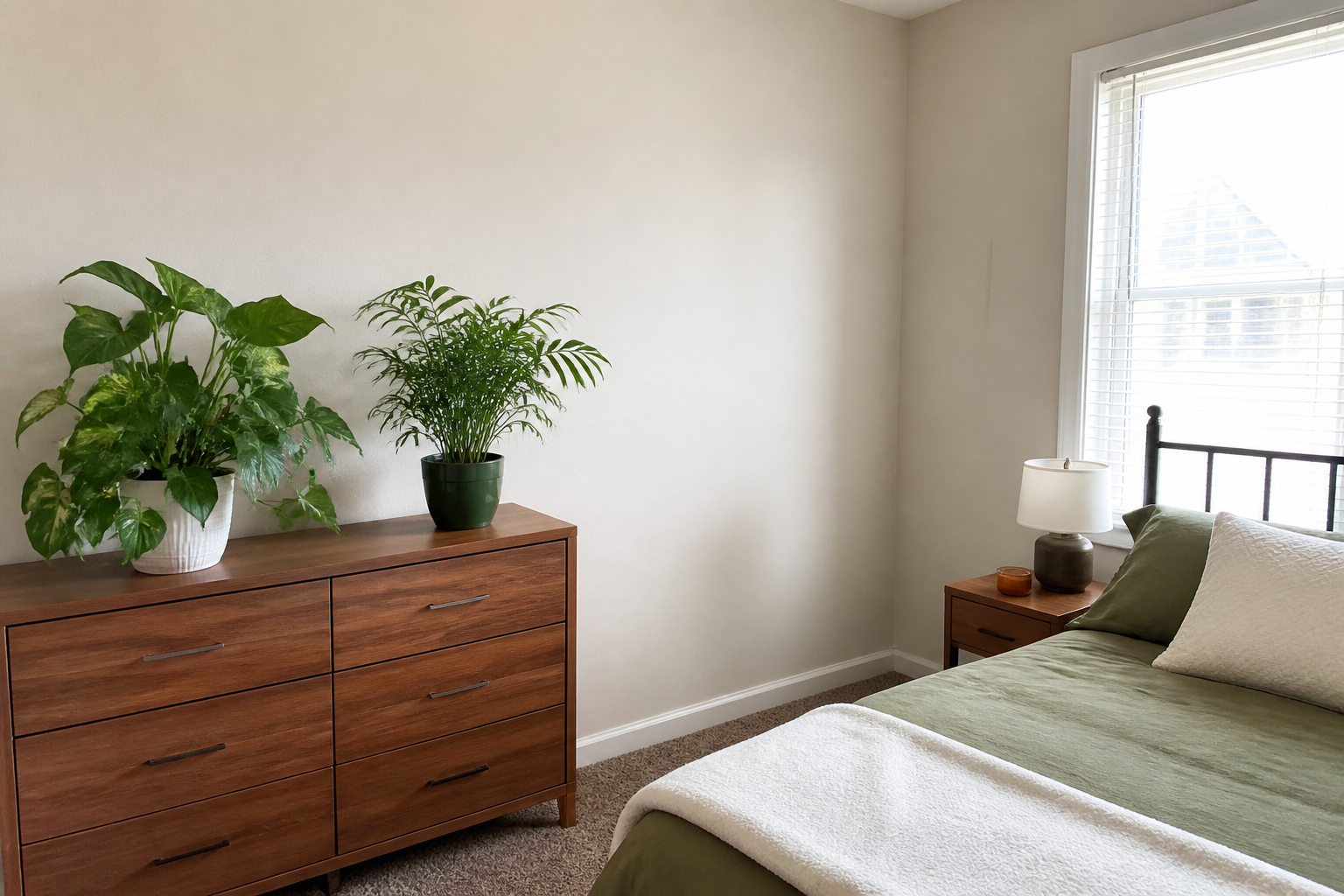
That side wall is the default. The mattress can see the opening. You can walk without brushing every leaf.
Over the bed and in the door line
Hanging baskets over the bed look lush in a listing photo. At 2 a.m. they are a drip risk and a thing in your peripheral vision. One hanging pot on a side wall, if the lease allows the hook, is a choice. A tunnel of tendrils over the headboard is storage in the air.
A plant in the door's swing is an entry problem with soil. Open the door to 90 degrees. If it hits a pot, move the pot. The bedroom door is still a mouth. Do not park greenery in it.
If the room is a studio, the unit door is the bedroom door. Run the same test from that latch. A plant meant to "divide" the sleep zone from the sofa often becomes a hedge in the only command view. A low open shelf is a clearer divider than a wall of leaves.
Do not store pots, soil bags, or wet saucers under the mattress. Moisture and pests belong away from sleep. That zone stays empty, or it holds closed linen bins, not a nursery.
Are plants on the nightstand bad Feng Shui?
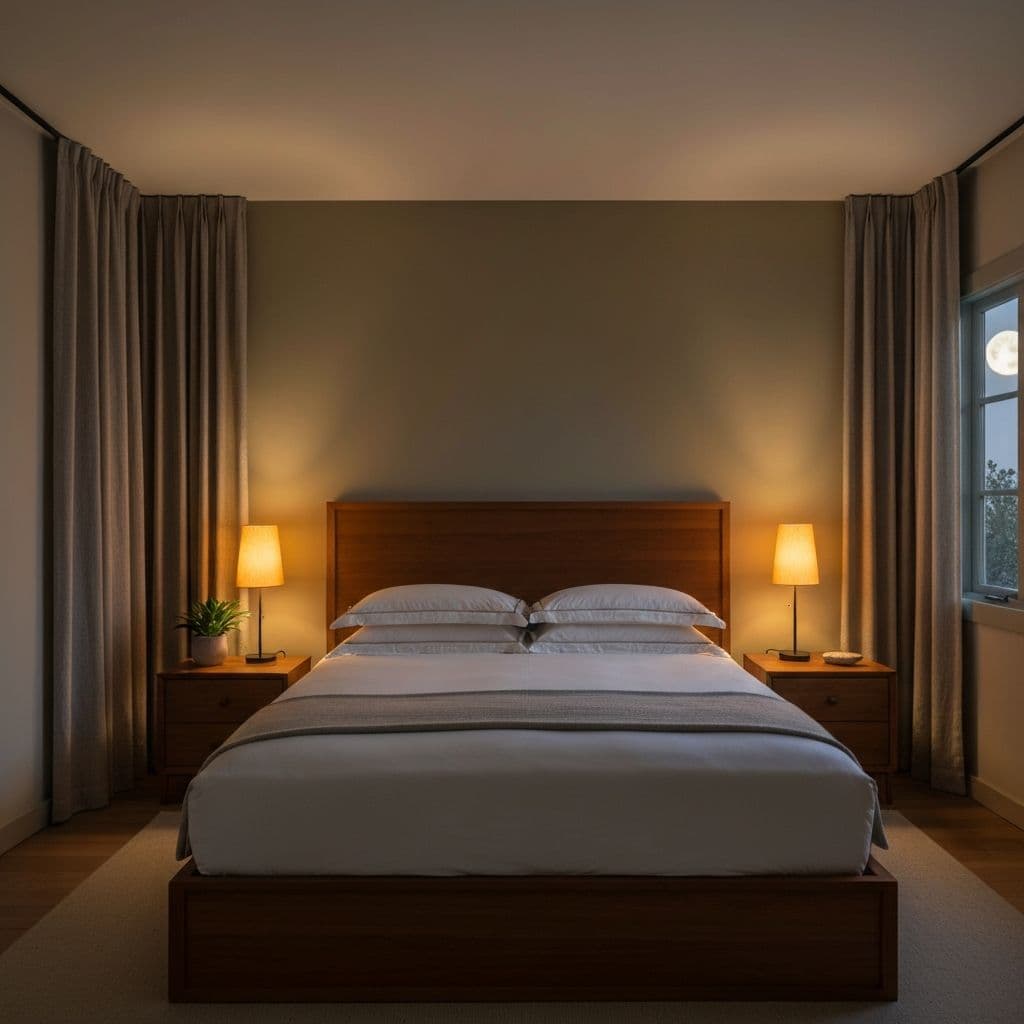
They are a clutter and drip problem before they are a chi problem. The nightstand already holds a lamp, a clock, a glass, a charger. A pot on top of that pile sits in your face all night. Water will find the wood. Soil will find the sheets.
If you want one small plant in the room, put it on a dresser or a side table that is not the sleep shelf. Leave the nightstand for what you actually grab in the dark.
Two nightstands do not need matching plants. One empty surface by the pillow is allowed.
Dead plants belong in the bin, not in a "I will revive it" corner by the pillow. Yellow leaves, sour soil, fungus on the rim: take the pot out. An empty nightstand is calmer than a graveyard of terracotta.
Fragrance is a sleep issue you can feel without a school. Strong flowers, heavy potting mix, and anything you bought because it "smells like spa" can keep a light sleeper awake. If the scent reaches the pillow, move the plant to another room. We will not claim a species treats rest. We will say a lily next to your nose is a lot to ask of a Tuesday night.
Thorns belong away from the bed. Cactus, rose, agave, anything you will hit with a shin or a hand. Some Form School notes call sharp objects sha. The honest version is you will bleed in the dark. Put thorns in a living room or skip them.
If you share the room with a cat or a dog, check that species for your animal before you buy. Toxicity varies by pet and by plant. We will not publish a complete poison list. The owner has to check the actual label and the animal they have.
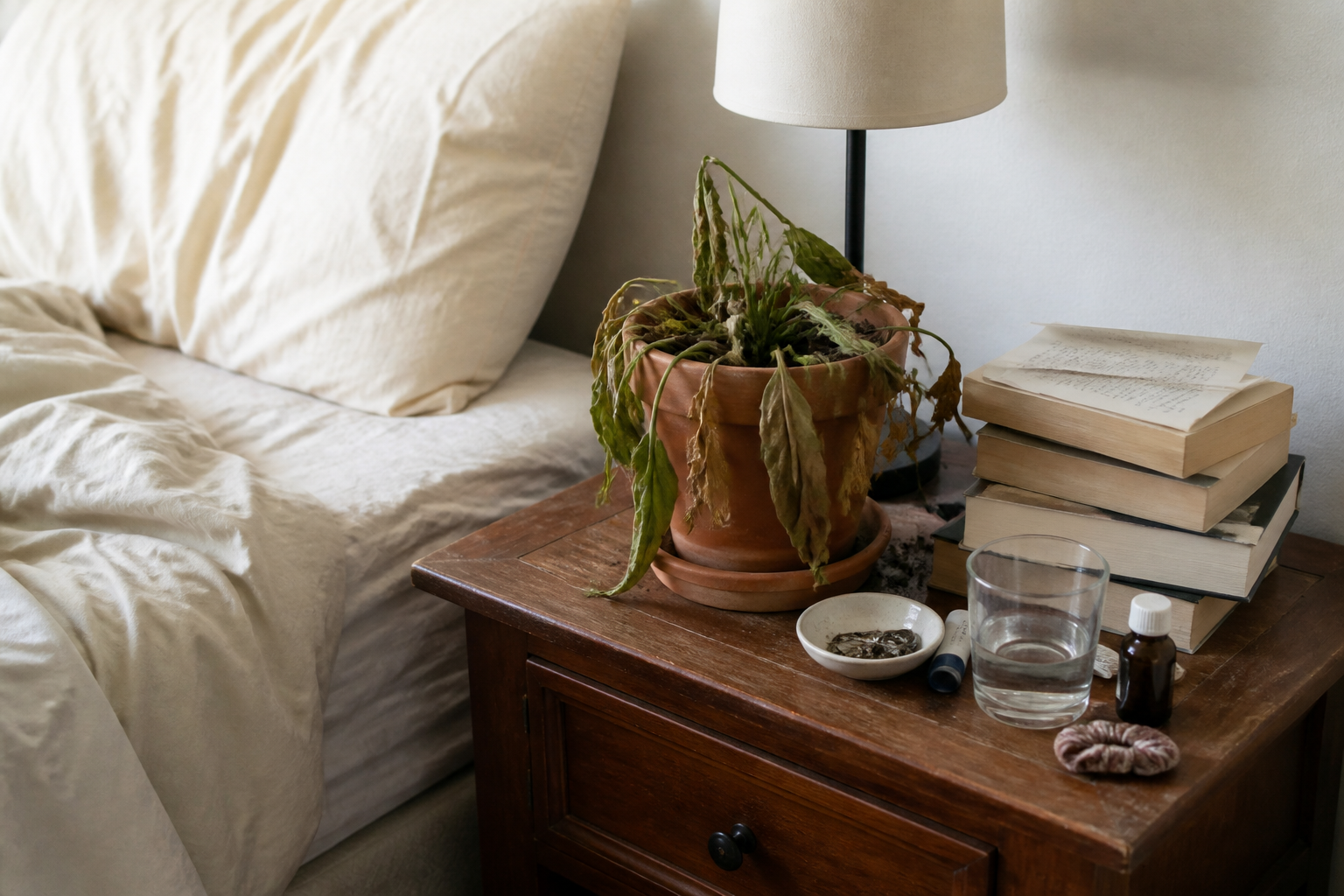
That nightstand is doing storage in the sleep zone. The lamp can stay. The dead plant cannot. Clear the saucer, or move a living pot to the side wall.
Should silk plants stand in for living ones?
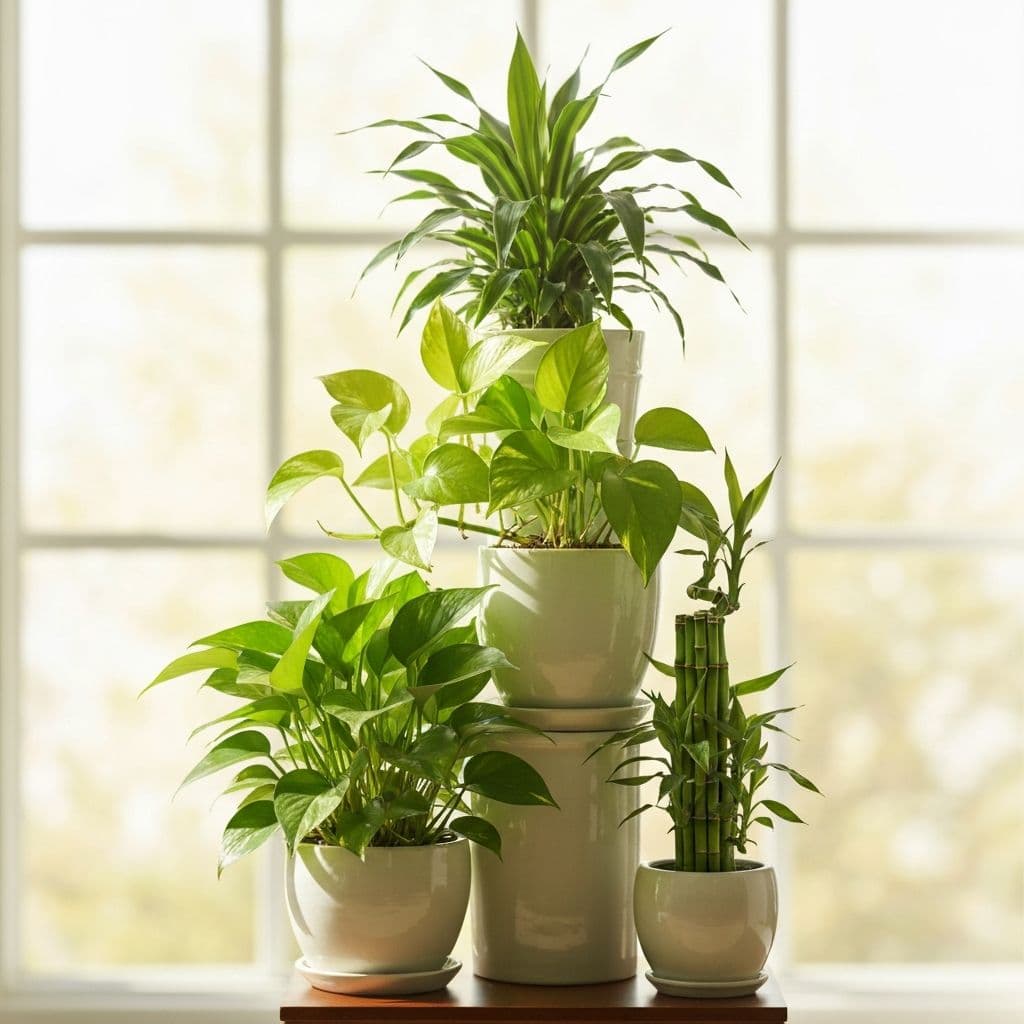
Use silk if you will not water. A fake plant you dust is more honest than a live one you watch die. Bedroom light is often poor. A species that needs a bright window will fail on a north wall behind blackout curtains. Do not add a live pot as a personality prop.
Silk does not "hold chi" in a way we can measure. Treat it as furniture that looks like a plant. Keep it clean. A dusty fake on the dresser is visual clutter with no watering excuse.
Dried flowers are the same class as a dead plant: they were alive, now they are not. If you like them as craft, keep them out of the pillow's view and replace them when they shed. Do not call them a sleep cure.
Living plants beat silk only when you will actually care for them. That is upkeep, not a ranking of energy. If you travel every week, skip the soil.
Do bedroom plants help you sleep?
No plant treats insomnia. Layout can make the room easier to inhabit. Medical sleep problems need medical care. If rest is the job, start with bed, door, and light in the sleep layout guide, then decide whether a plant still belongs.
Some Feng Shui writing says plants give the room oxygen at night, or that they "breathe" for you while you rest. Treat that as optional culture, not a protocol. Houseplants do exchange gases. That is not a reason to pack the sleep wall with foliage, and it is not a treatment. We will not invent a study. We will not name a percentage.
A quiet, watered plant on a side wall can feel like the room is tended. A dripping, scented, or dying one does the opposite. Trust what you notice when you lie down: sightline, smell, drip, and whether you can walk to the door.
Screens, street light, and a bed in the door line will do more to the night than any pot. Fix those first.
Can renters add plants without drilling?
Pots, saucers, a plant stand, a mat under the stand. That is the kit. If you cannot restore it, do not install it.
Skip ceiling hooks for hanging baskets unless the lease says yes. Skip wall shelves that need anchors. Skip painting a "lucky" planter niche. A tension pole with a hanging pot can still mark the ceiling if it rusts.
Saucers matter. Bedroom floors stain. Feng Shui does not override a deposit. A tray under each pot is the version of do no harm that your future self will like when you move out.
Water in the sink or the tub, not over the mattress. Do not "just splash" beside the pillow. Overwatered soil smells. Empty saucers that sit for a week.
If the bedroom is dark, pick a species that matches the light you have, or use silk. Buying a sun plant for a cave is how dead plants start. If a plant fails twice in the same spot, change the spot or stop.
A plant stand on feet is kinder than a wet pot on raw wood. Check that you can still open the closet and the door.
Shared flats need a watering agreement. A bedroom plant cannot be both your project and a roommate's surprise science experiment. If nobody will water, do not add the pot.
A simple weekend checklist
Do this in order. Stop when you can lie down and see the latch without a leaf in the way.
- Lie on the bed. Note anything between you and the door, and anything over the pillow.
- Take hanging pots off the headboard wall. Take floor pots out of the walk.
- Throw dead plants. Empty sour saucers. Wipe the ring on the nightstand.
- Put one living plant you will water on a side wall or in the far corner. Leave the nightstand for the lamp.
- Move scented flowers and thorns to another room.
- Add saucers. Water in the sink. No drilling.
- Photograph from the pillow in FengShui Hero and compare the sightline with what you just cleared.
If you only keep silk, still do steps 1 through 3. Dust is the upkeep.
What this is not
A bedroom plant will not change your luck by sitting in a certain compass corner for a weekend. It will not pay rent if you add a money plant that then dies in low light. It will not ruin you if the room has no plants at all.
Skip mystic grids on the floorboards. Skip guaranteed wealth from a particular pot color. Skip the claim that foliage treats insomnia. Earth-tone terracotta is here because it hides water marks and matches a rental wall, not because brown is a secret.
Write down where the plant sat before you moved it. The next time you look at a listing, you will remember that "plant styling" meant a fern dripping on the pillow. That note is worth more than a slogan about bedroom energy.
If you only do one thing, put the plant on a side wall or in a far corner, off the pillow and out of the command sightline. Everything else in this article is a variation of that move.