
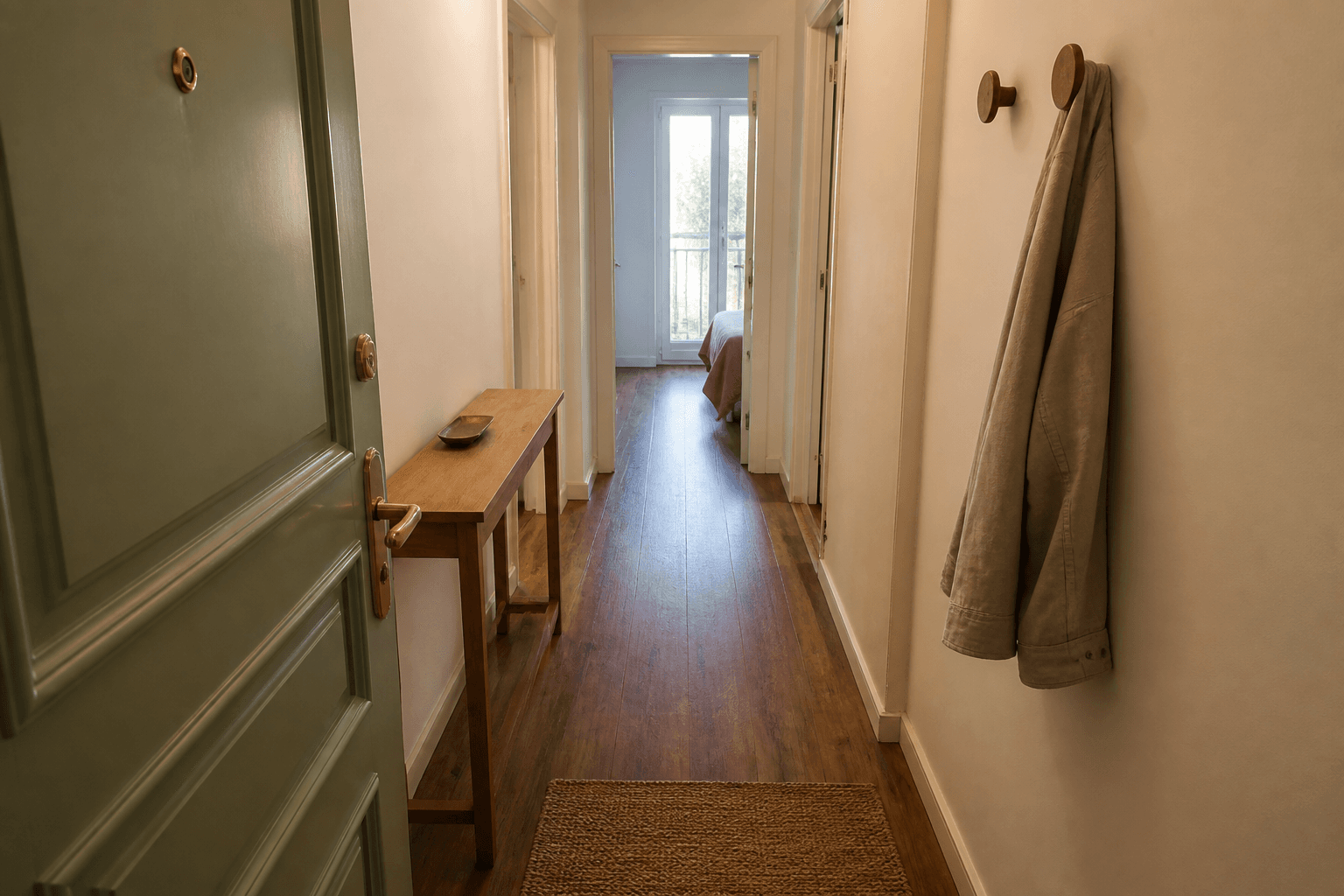
Feng Shui hallway clutter is the practice of treating the corridor that feeds rooms as an extension of the mouth of chi: a shoulder-width walk from the front door looking down the hall, shoes that stay at the mat, and coats, packages, bikes, prams, and a table that do not turn the passage into a store-room.
When we photograph rentals, the hallway is often a second closet that happens to connect rooms. Shoes past the mat, a pram across the walk, a table stacked with parcels, a bike on its side. People ask which gua the corridor sits in. We ask whether they can reach the bedroom with a grocery bag without turning sideways. This guide is that walk, then the coats, then the table.
What is Feng Shui hallway clutter?
It is overflow in the strip after the latch: the passage that feeds every room door off the hall. Form School cares about path, gate, and whether a house feels hugged or exposed. A hallway is that idea at apartment width. You cannot curve a rental rectangle into a courtyard. You can stop using it as overflow storage.
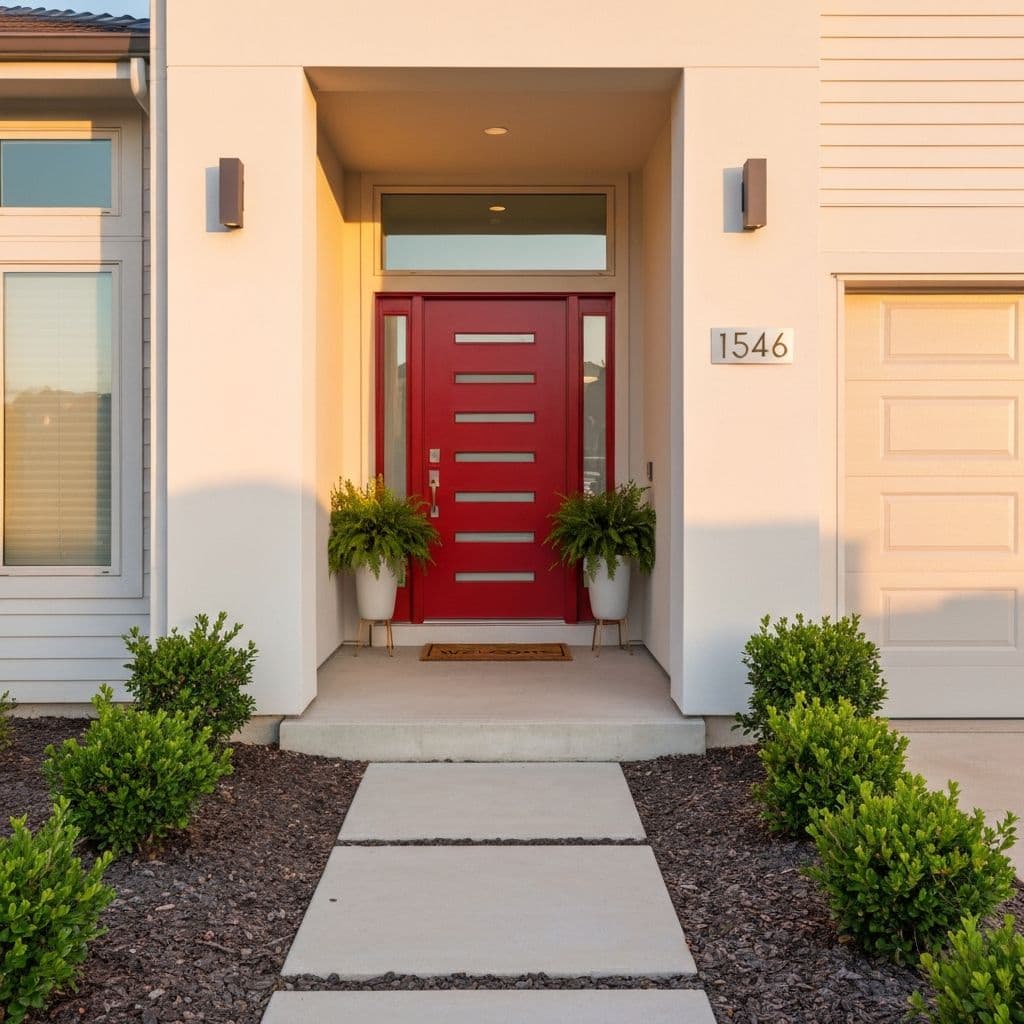
The latch and the door swing are the entryway mouth of chi job. That article wants a door that opens and a floor you can stand on. This page starts after that. If the leaf still hits a rack in the arc, fix the front door swing and light first. Then look down the hall. Paint color is optional. A walk you can take with bags in both hands is not.
Leave the whole-home decluttering habit to that page. Closets and rooms are a longer practice. Stay in this strip of floor. If you start emptying the bedroom from the hall, you have left the article.
Chi talk in a hallway usually means air and attention. A blocked corridor is stale because you shuffle, drop bags wherever they land, and stop opening the far windows. A clear walk is ordinary upkeep. Neither needs a bagua sticker on the runner.
A hallway you treat as a closet still counts as the mouth's extension. Dusty parcels and a bike on its side are a closed room that people have to cross. You need the path to move. Scan from the front door looking down the hall, not from a bedroom looking back. The photo should show the walk a guest or a tired you will actually take.
Why do shoes migrate past the mat?
The mat is a landing, not a warehouse. The first pair stays. The fifth pair walks. Kids kick them. Guests add a sixth. By Thursday the line has reached the bedroom door and the "entry" is the whole corridor.
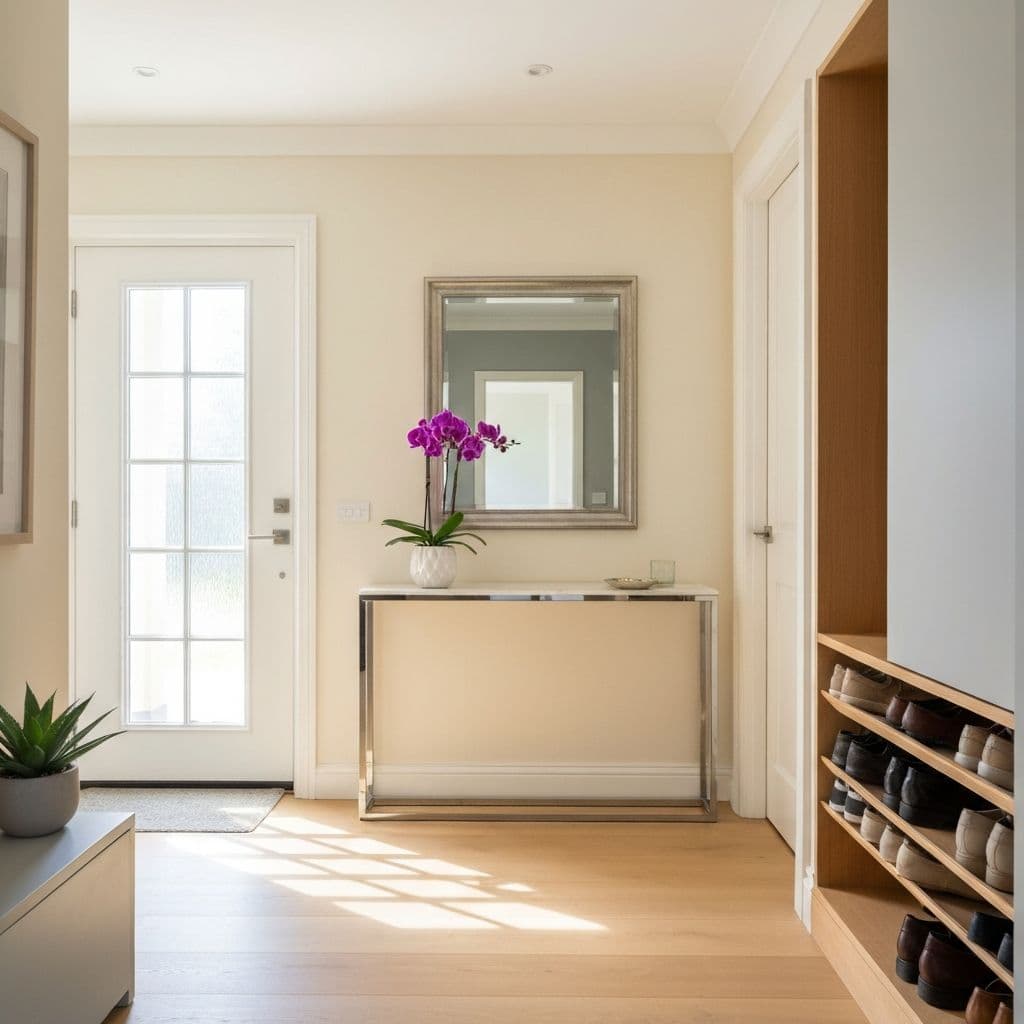
Put a tray at the far edge of the mat, against a side wall, so the daily pair has a stop. That tray is the boundary between foyer and hall. If a shoe crosses it, it is already clutter in the corridor. A closed rack or a low cubby against the same wall can hold the rest. One pair out per person is enough for the walk. The rest belong in a cupboard, not in a parade toward the rooms.
We will not invent folklore about shoes draining the home, and we will not promise wealth because you boxed the trainers. A pile is a trip. Guests step on someone else's week. You cannot open a room door without kicking a heel. That is the problem. A tidy tray will not pay rent.
If the smell is the first thing you notice, the tray is too small or the rack is a pile with a lid. Wash the mat. Take wet pairs off the runner so they do not become a second, darker path. If you share the flat, agree the tray is the only parking. A guest pair can sit there for an evening. Overnight, it still has to fit without spilling into the center.
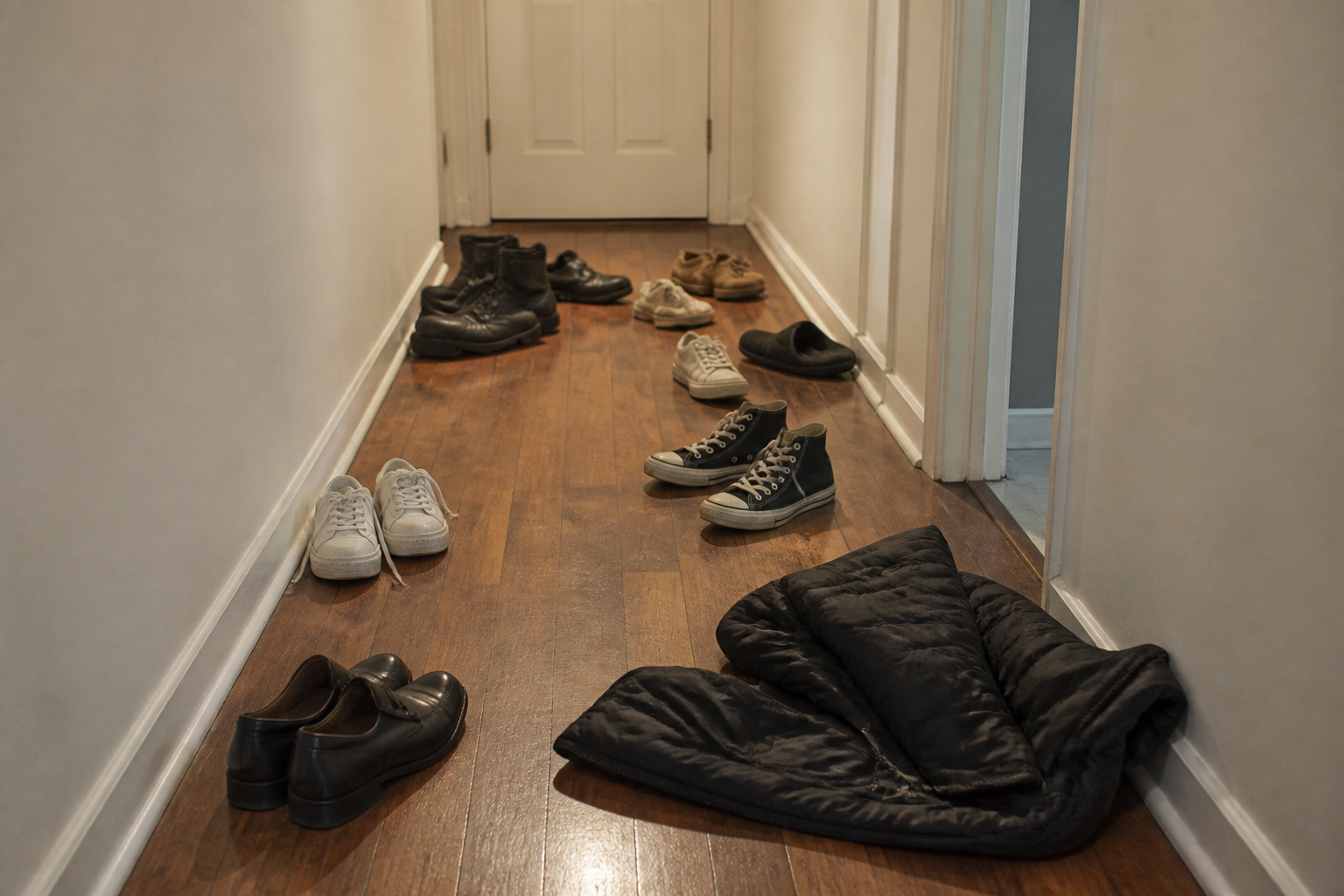
That pile has left the mat and taken the walk. The coats are doing the same job in the air. Slide the shoes back to a tray. Move the rack or swap it for hooks that hug the wall.
Where should coats, bikes, and prams sit?
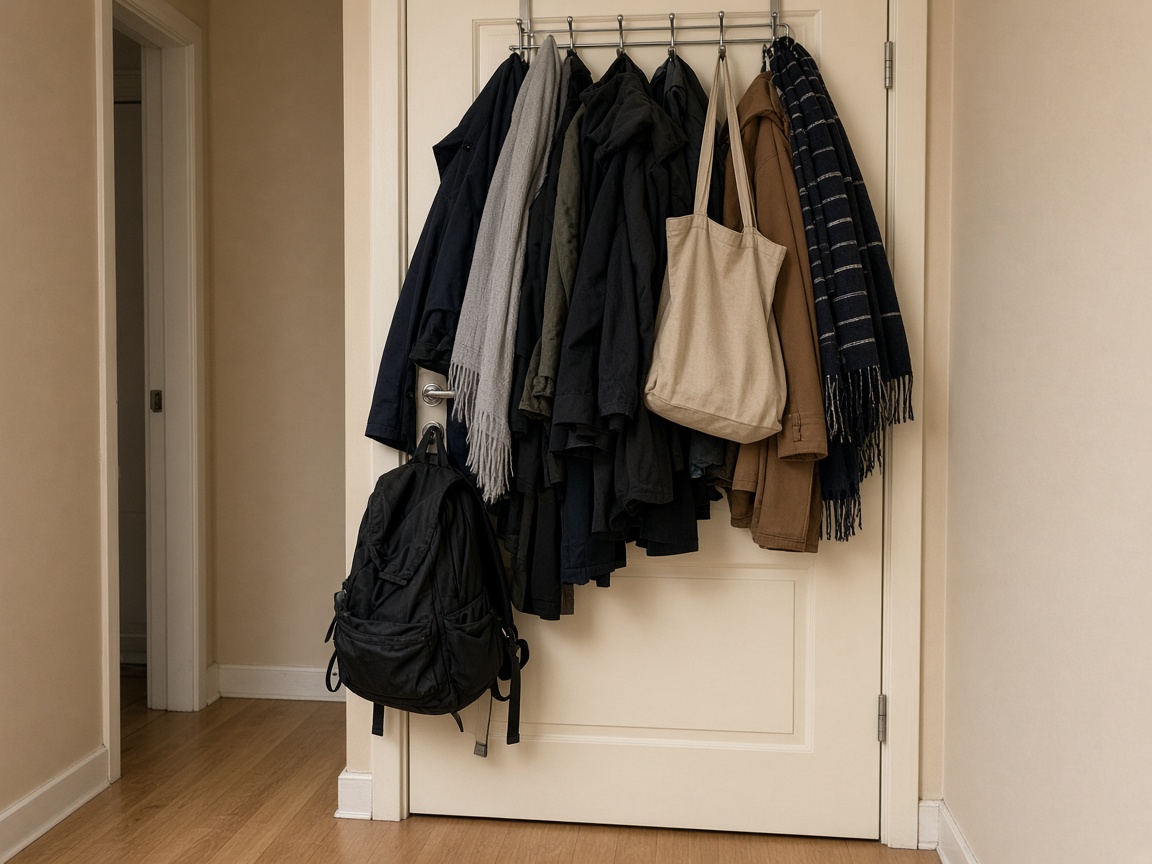
Against a side wall, on hooks or in a slim rack that does not eat the walk. A coat tree in the center is a person you have to hip-check. Seasonal coats that nobody wears this month belong in a cupboard. The hall is not a wardrobe with a corridor attached.
Bikes are honest machines and terrible hall furniture. If you must keep one indoors, strap it at the far end, parallel to a wall, not across the doors. Better: a room, a balcony you actually use, or the building store. A bike on its side is a wall. You will not "just roll it out in the morning" if every exit is a lift-and-turn.
Prams and strollers fail the same test. Fold them if they fold. Park them against a wall so two people can still pass. If the hall is too narrow for a parked pram and a walk, the pram cannot live there.
Umbrellas, helmets, and dog leads want the same side-wall strip as the coats. Hang them or box them. Do not let a puddle of kit grow a second row into the walk.
Shared building corridors
Many renters have two halls: the unit's, and the building's. The building corridor is often an escape route. Leases and fire rules already say you cannot store bikes, prams, and shoe mountains out there. Those rules win. Clear the unit hall. Leave the building hall empty except what the building allows.
How do you keep a shoulder-width walk?
Walk from the front door to the farthest room door with a grocery bag in each hand. If you have to turn sideways, the hall is storage. The walk should be about the width of your shoulders, all the way down. Two people passing without a dance is the nicer version of the same test.
Fire-code and escape-path rules sit above any bagua overlay. If the corridor is a way out, keep it a way out. Do not stack boxes "just until the weekend" in front of a room door that is also an exit. A listing host who leaves a suitcase wall between turnovers is running the same mistake: the first meter after the latch was cleared for the photo, and the rest of the hall is a depot.
Packages belong on a wall, on the table if the table is a landing, or in a room, not in a cardboard hedge down the center. Overnight on the mat is the entryway's problem. Day two in the hall is this article. Open them or park them.
Light the length of the walk. A dead bulb in the middle is how bags get dumped "for a second." Warm overhead or a plug-in the lease allows is enough. Point it down so you can see the floor.
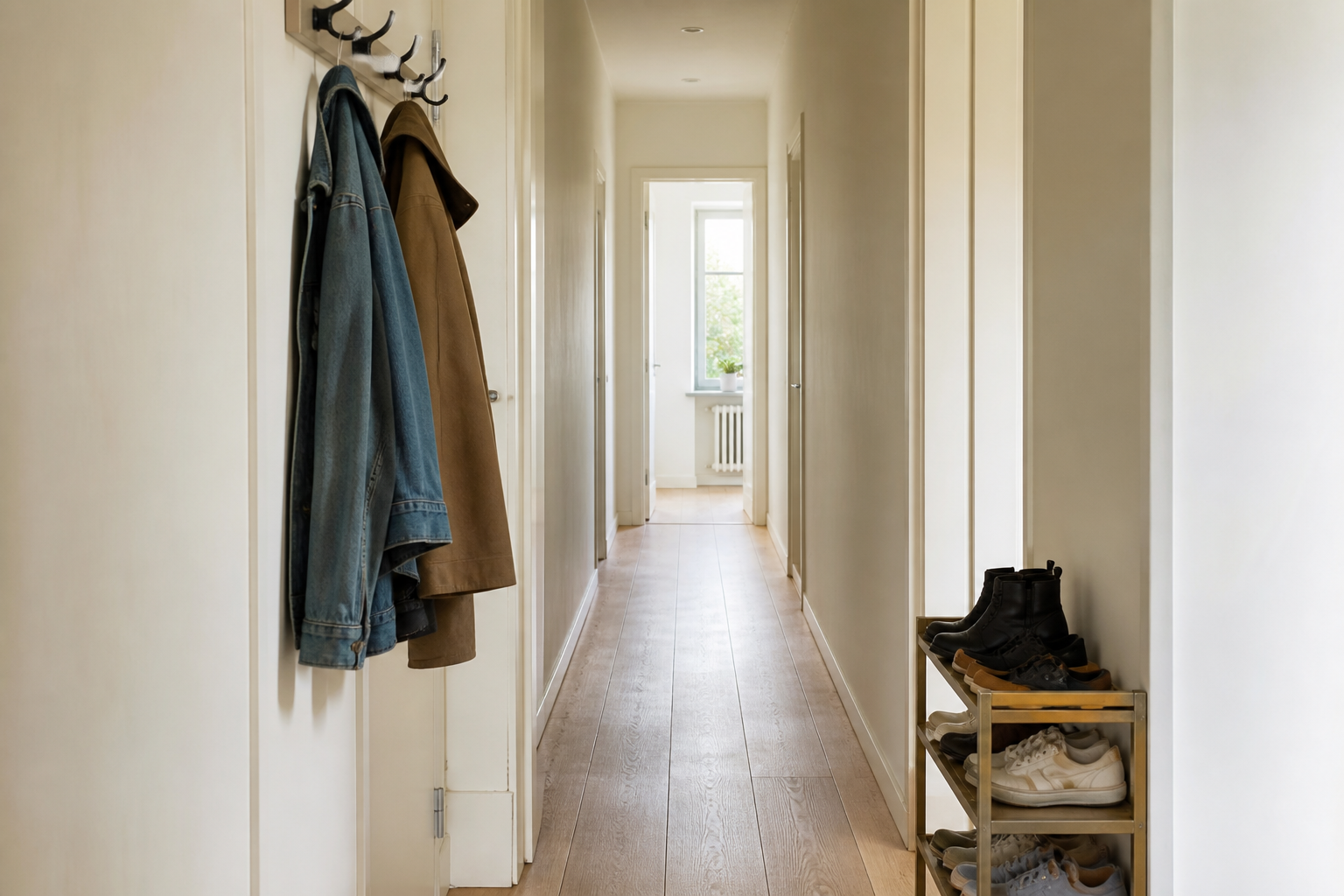
That center stays a walk. The bench is along the wall. Coats hug the plaster. You could carry bags without kicking a wheel.
A runner is optional. If you use one, keep it flat and short enough that doors do not bunch it. Shake it. Tape or a heavier pad is the renter fix if it crawls.
Stairs that dump into the hall are a Form School complaint about fast downhill movement. You cannot rebuild a rental stair. Keep the first tread clear. Do not store the bike on it.
Can a hall table stay without becoming storage?
Yes, if it is a landing you empty. No, if it is a store-room at table height.
A slim table against a wall can hold a tray for mail, keys, and the thing you always lose. Empty the tray twice a week. Mail that lives there becomes the household inbox, and the inbox always spills. Parcel boxes take one trip further in. They do not retire on the table and then grow a second layer.
The table must leave a shoulder-width walk. If you have to edge past it with your hip, it is too deep or it is in the wrong place. Pull it tight to the wall. Skip the decorative bowl that exists to catch more mail.
A bench is the other useful object, and only if it is not in the walk. Sit to take shoes off. Keep knees out of the center line. A bench that faces the front door can work like a small sofa with a glance at the latch. A bench parked in the middle is a low wall. If the hall is too narrow for a bench and a walk, skip the bench. Use the tray and the hooks. Tiny is allowed to stay tiny.
One plant is optional and only if you will water it. A crispy fern on the table is worse than empty wood. Saucers matter if there is a flat below.
Skip a fountain on the table. Skip a crystal grid. Those objects do not feed the rooms. They collect dust and they steal width.
A mirror on a side wall can make a tunnel feel wider. Skip a mirror that faces the open front door and bounces the view straight back out. The entryway article already covers that caution.
Can renters clear a hallway without drilling?
Removable hooks, a tray, a bench that is not in the walk. That is the kit. If you cannot restore it, do not install it.
Skip drilling a rail of iron hooks into plaster the landlord owns unless the lease says yes in writing. Command-strip hooks or a standing rack that hugs the wall are the reversible version. Skip painting the corridor a "lucky" color. Skip bagua tape on the floor that a mop will eat.
A slim shoe cupboard on felt pads can leave with you. A built-in is a conversation, not a weekend.
Listing hosts and the corridor only
A short-let uses the same first-meter logic as an Airbnb listing: the guest should stand up straight after the latch. This article stays in the corridor. Do not rebuild the bedroom from here. Lockbox and swing are the entryway. Bed command is the bedroom. Your job on this page is the walk they take with a suitcase: shoes off the floor, coats on hooks, no pram in the center, no table of host mail.
Photograph from the front door looking down the hall, the way a guest sees it, not from a styled corner that hides the bike. Turnover is when the hall fills again. Build a two-minute reset into the same pass as the bins: tray, hooks, table, walk.
A simple weekend checklist
Do this in order. Stop when you can walk from the front door to the farthest room with bags in both hands.
- Stand at the front door and look down the hall. Photograph that view in FengShui Hero before you start, so you can see the blocked opening.
- Open every room door off the corridor. Remove whatever stops those leaves.
- Pull shoes back to a tray at the mat. Box or cupboard the rest. Wash the mat if it smells.
- Move coats to wall hooks. Take seasonal coats to a cupboard. Park or fold the bike and the pram off the center line.
- Clear packages. Empty the table tray. Pull the table or bench tight to a wall, or remove it if the walk is still tight.
- Replace the dead bulb. Shake the runner. Sweep.
- Photograph again from the front door looking down the hall. Compare the walk.
If you share the flat, agree the tray and the hooks in the same hour. A hallway cannot be one person's wardrobe and another person's path at the same width. Most rental halls are not wide enough for both.
What this is not
A hallway will not change your luck because the runner faces a certain compass point. It will not pay rent if you clear the trainers. It will not ruin you if a guest pair sits on the tray until morning.
Skip mystic grids on the floor. Skip guaranteed wealth from a particular tray color. Wood and a washable mat are here because they survive a rental, not because brown is a secret.
Write down what you moved. The next time you look at a listing, you will remember that "bright hallway" meant a pram in the walk and shoes to the bedroom door. That note is worth more than a slogan about corridor energy.
If you only do one thing, keep a shoulder-width walk from the front door looking down the hall. Everything else in this article is a variation of that move.