
Wood in Feng Shui is the living, upward part of the five-element set: plants, greens, tall shapes, and actual timber. It is a relationship model (water feeds wood, wood feeds fire). It does not heal a diagnosis or grow a paycheck.
When we photograph "wood corners," the pot is still in foil on a radiator, or the east wall is a dead bamboo. People ask for teal paint. The floor path is gone. This guide is keep-it-alive, then stop.
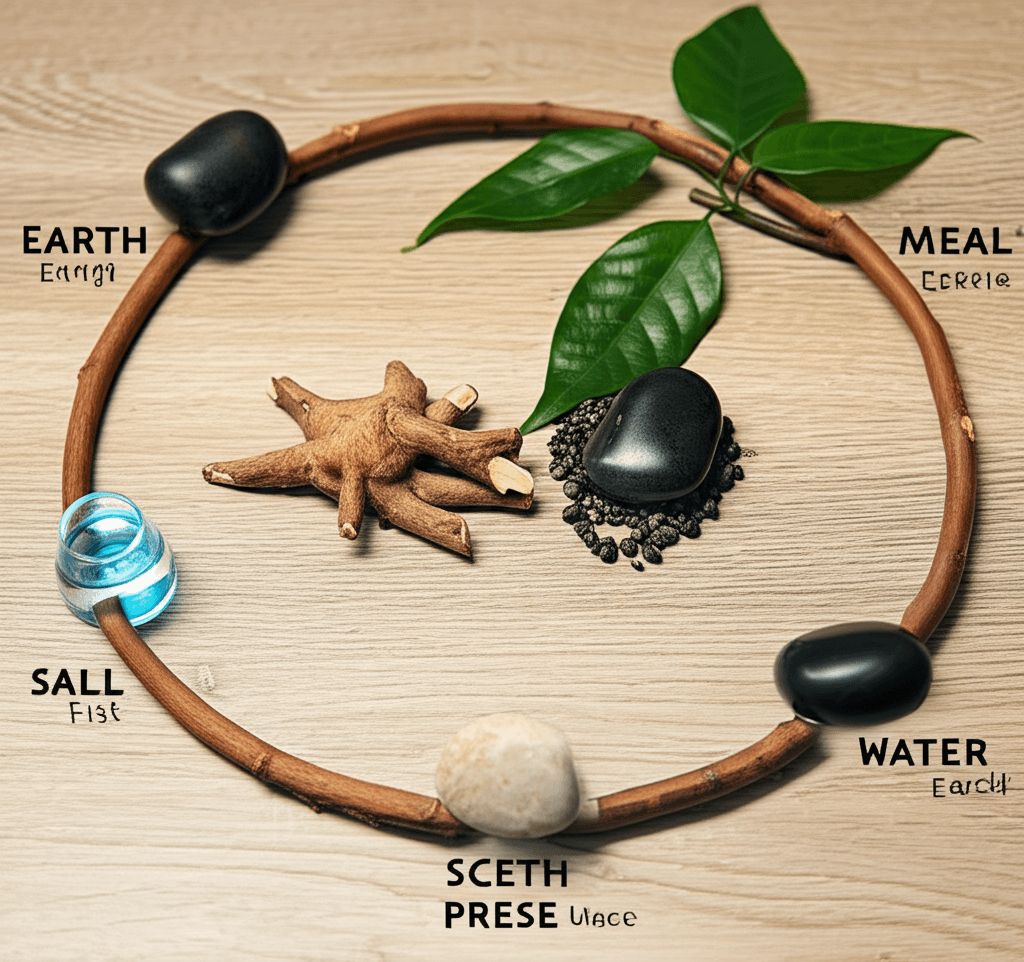
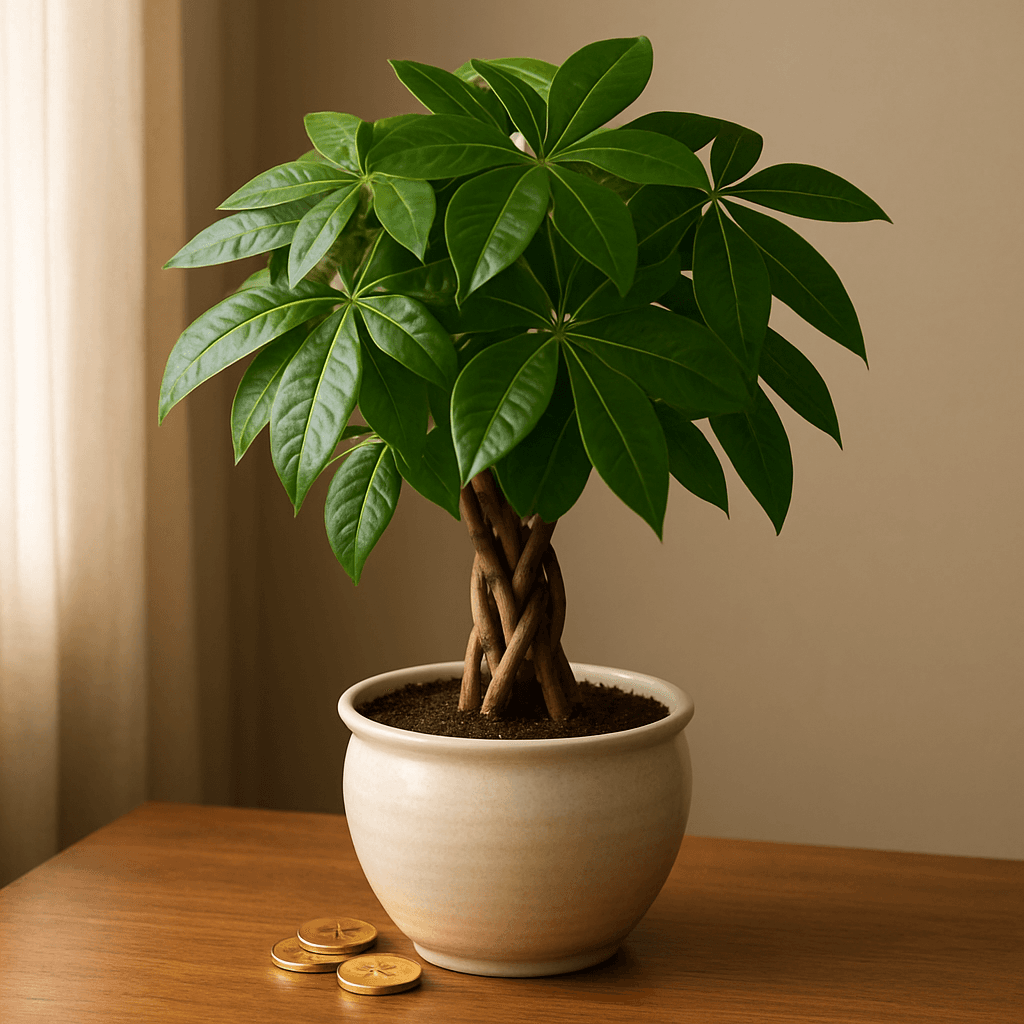
The cycle: five elements. Water that feeds wood: water. One pot with a coin-leaf story: money plant.
What counts as wood
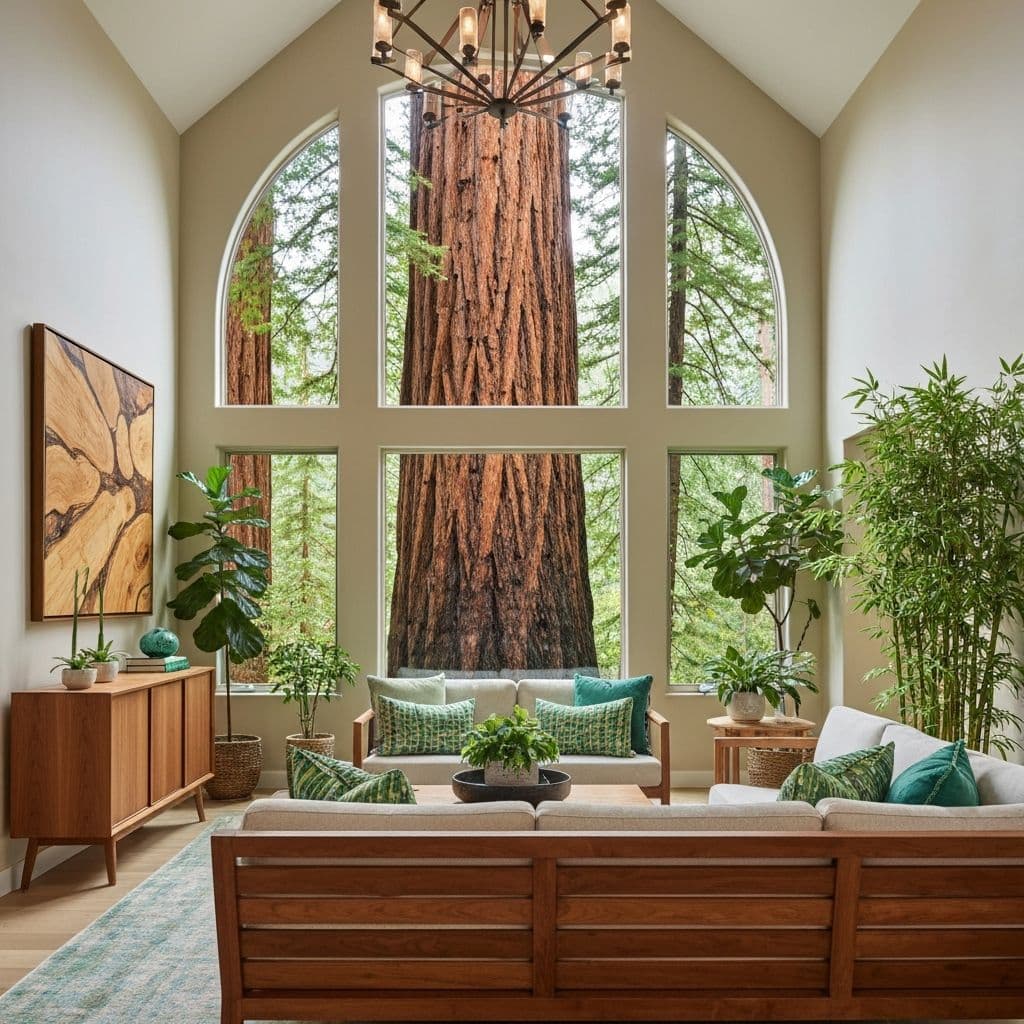
Living plants are the honest object. Wooden chairs, bamboo blinds, linen, a print of trees. Green and blue-green on a wall or a textile.
Vertical shapes (a tall bookcase, a column lamp) are the "tree trunk" picture. You do not need to buy a fake trunk.
Spiky cacti and dying stems are still plants. They are also a cleaning and a pet-safety job. Artificial greens are fine if you dust them. They are not a substitute for light in a cave corner.
Where the map puts wood
East. Family and health language in many bagua notes. A plant and a wood frame are enough. Do not stack a fountain here unless you will clean both.
Southeast. Wealth / xun in compass talk. Same plant rules. The wealth corner owns the square. This page owns the element.
South. Wood feeds fire. A plant on a fame wall is optional. A candle plus a dry wreath is a fire load. See candles.
West / northwest. Metal in those maps. A wall of ficus can feel like a thicket. One plant is usually enough.
Form School can skip the compass and still want a path you can walk. A jungle in the door swing is a blocked mouth.
Too much, too little
Too little: no living thing, no timber, a gray box. Add one pot in real light.
Too much: you cannot reach the window. Thin it. White, round, or metal objects are the cycle's "control" story. A clear table is the practical version.
Water feeds wood. A wet saucer that never empties is rot, not nourishment. Earth (big ceramics in a pile) is the "controls wood" caution. Keep the pot you use.
Plants people search
Pachira, jade, lucky bamboo, peace lily, rubber plant, fiddle leaf. Pick for the light and for whether a pet will chew it. Lists that rank them by "wealth power" are shops.
If it yellows, cut the leaf and move it toward the window. If it dies, compost it. Same-day replacement is optional. A skeleton in the southeast is a dead corner with a story attached. Take the story off the shelf.
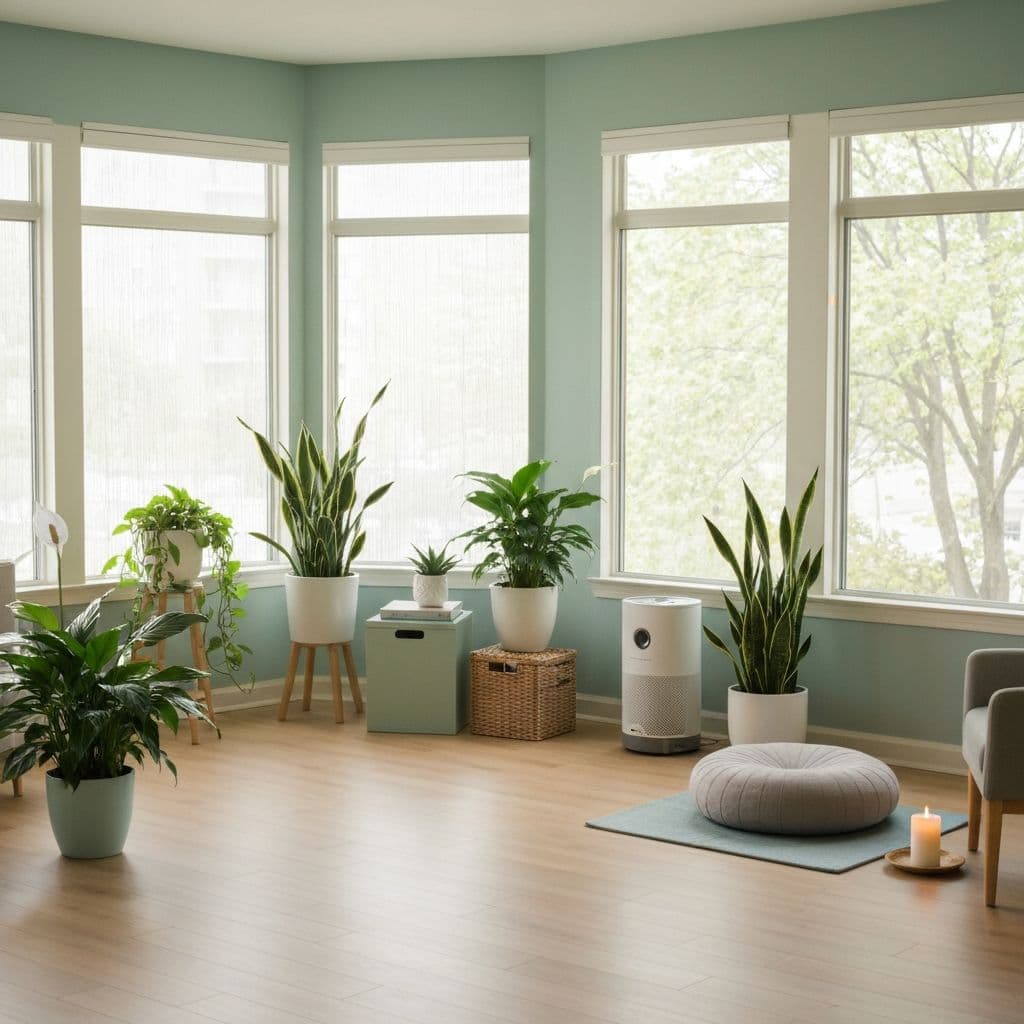
Light is the wood job most people skip. A pot on a north sill in winter yellows even if you water on time. Move it to the window you actually open, or set it under a lamp you already switch on at dusk. A grow bulb is a tool when the room has no sun. It is not a paycheck upgrade. Water when the top of the soil is dry, not on a shop calendar. If the leaves lean one way, rotate the pot a quarter turn when you water. That is light, not a gua.
Bedrooms can take a small wood accent (a headboard, a single plant you can move at night). A tall ficus in the pillow sightline is extra yang for some people. Keep the sleep wall quieter than the living-room jungle. Bedroom.
Offices: one pot at the side of a desk you can see the door from, not a row that blocks the aisle. Dead leaves on a keyboard are not "growth." Desk.
Renters: pots on saucers, no vines into plaster. Take them when you leave. A wood-look vinyl floor is already "wood" enough; you do not need to panel a wall.
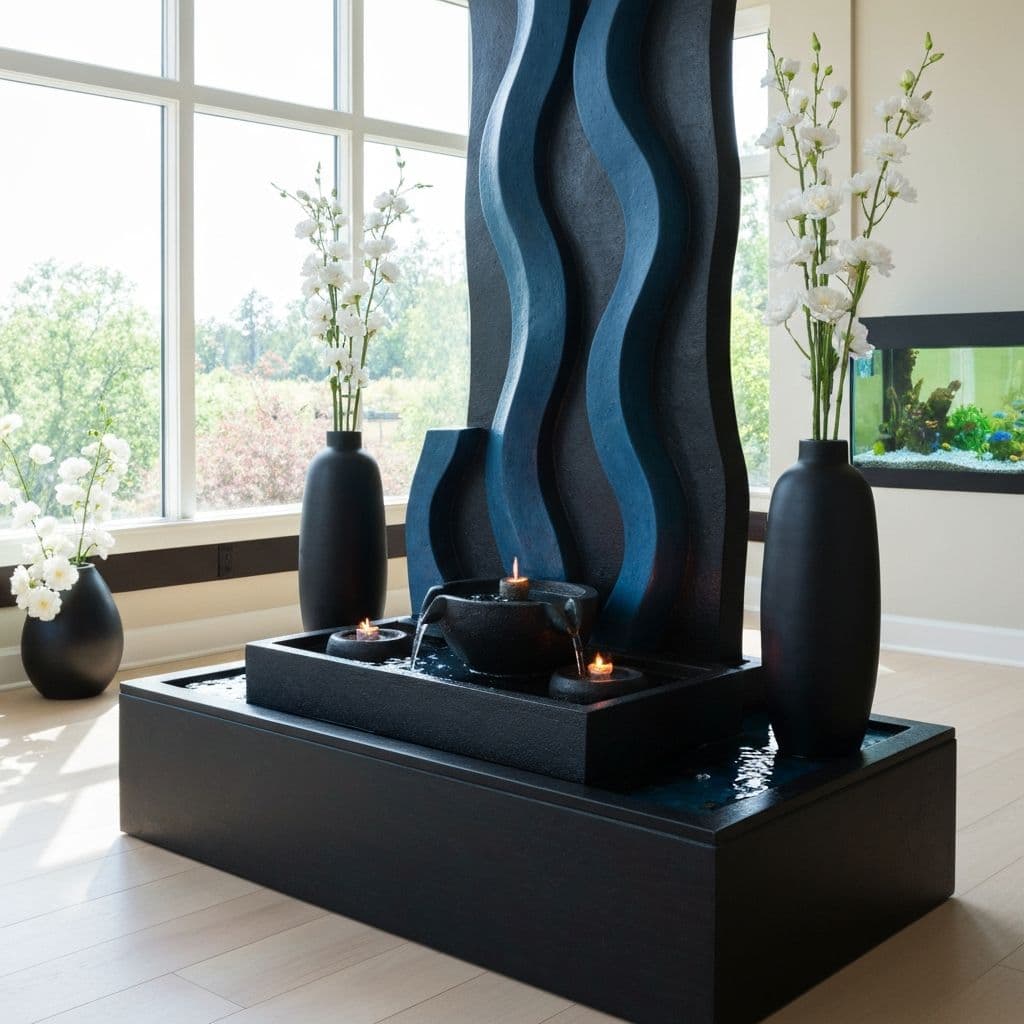
Water plus wood in one corner (fountain and a plant) is two maintenance jobs. Pick the plant unless you already keep a tank: aquarium.
A weekend sequence
- Name one wall (east, southeast, or "the bright one").
- Put one living plant there, off the swing.
- Empty the saucer after you water.
- Photograph from the door.
- Stop buying a second species for a week.
What to skip
Do not promise vitality, family peace, or income from teal. Do not paste an App Store URL in the body. Do not put a tank under a plant "to feed wood" if you will not maintain water. Do not use this page as a health protocol; Feng Shui for health is layout only.
If you will not water, a wood stool and a green cushion are the dry version.
How to judge a change
New growth or an honest move to better light. You can still walk the path.
Scan the corner in FengShui Hero. Use this article for the cycle on the same pot.
Sources and limits
Sector labels follow widely taught five-element and bagua pairing. They disagree with some classical notes. Empirical research on Feng Shui as a whole is limited and mixed.
Related: five elements, water, money plant, health.