
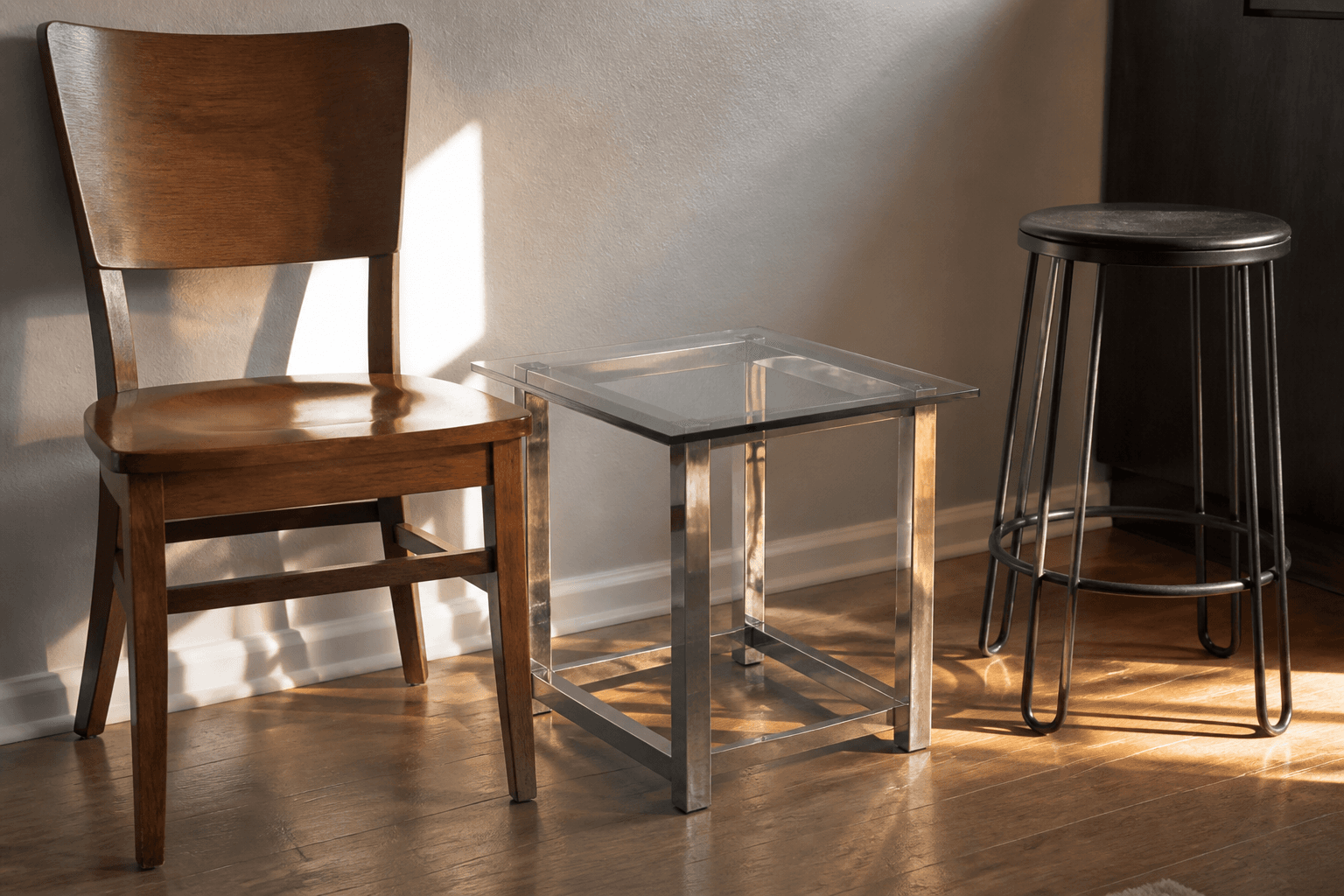
Feng Shui furniture materials are weight, glare, and whether the piece has a closed back you can feel. They are not a five-element shop of lucky woods. A species name will not shrink a sofa.
When we photograph rooms after a cart, the miss is often a glass table that turned the living room into a display case, or a metal bar stool that caught every hip on the way to the kitchen. People searched "wood element furniture" and still clicked a chrome set because the listing said modern. We ask them to sit, then walk past the piece with a basket. If they rattle or squint, the material already failed. The furniture hub is buy, skip, and refinish in one place. Furniture scale is the tape on the walk. Used furniture is frame and smell. This page is what the piece is made of once size is honest.
What should you test in a material?
Sit the way you will sit. Feel for a back. Look for bounce from a window. Knock the frame. Wipe a corner in your head: will this finish show every fingerprint in a rental?
Closed backs: wood panels, upholstered shells, a real headboard. Open bars: you see through them, and they catch bags. Glass: you see everything on it, and you see the window twice. Stone and ceramic: heavy, cold, easy to chip in a move. Plastic: light, often wobbly, sometimes the only renter pass on a balcony.
Form School cares about shape you can live with. Popular shops map oak to wealth and steel to career. Treat that as overlay. Your ribs and your shins are the test.
How we check a real piece
We sit. We look at the door. We run a hand behind the chair. We walk the aisle with a basket. We note rattle, glare, and whether a pile would show. We do not recommend a lucky timber.
If the client already bought a glass console, we still talk an empty top and a path, not a plant on the glass as a shrink ray.
Wood, metal, glass, and upholstery
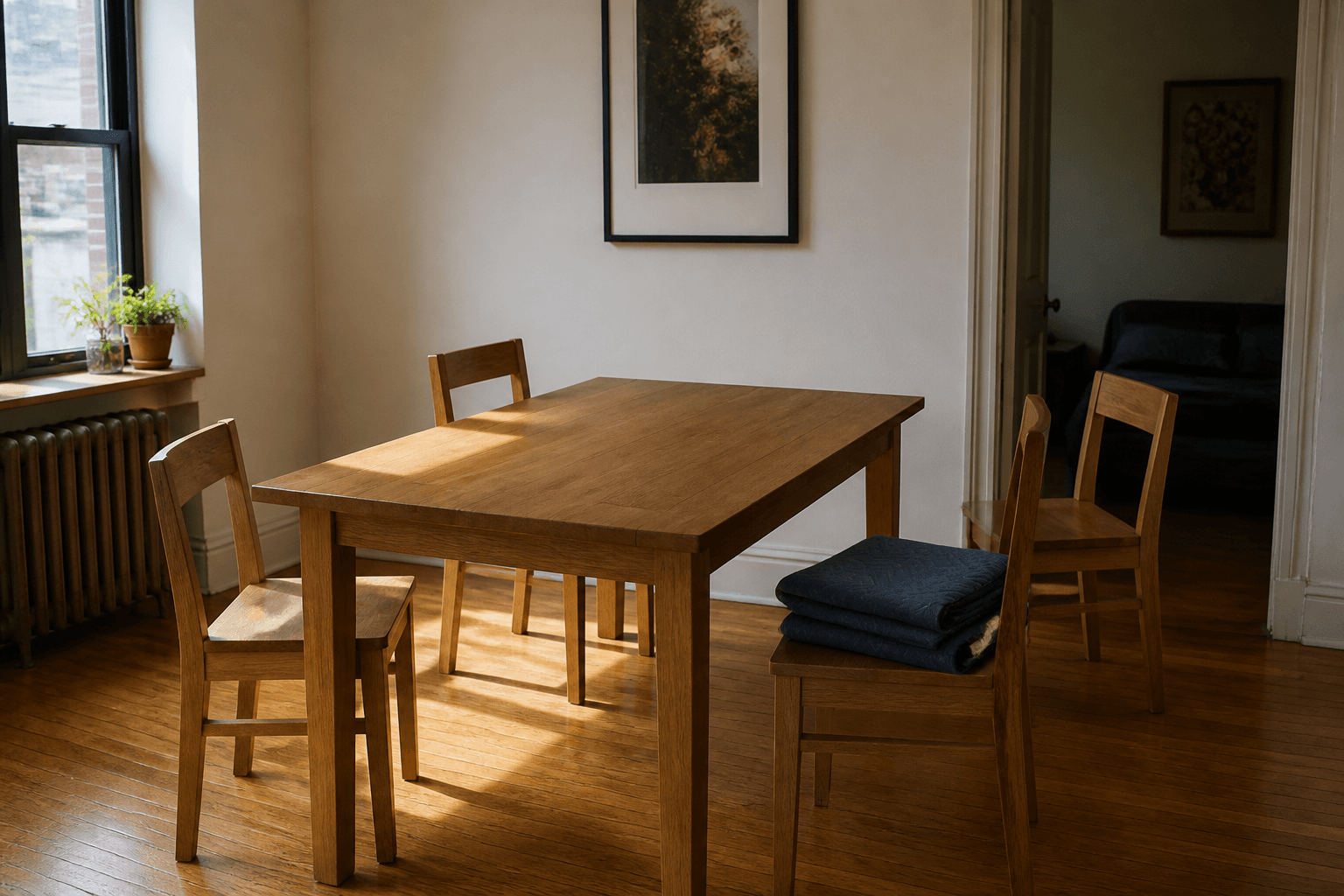
Wood with a closed back is the default "mountain" people mean. It can still fail if it is too big (scale) or if the finish is sticky. Grain is not a gua. A veneer that peels is a used-furniture problem.
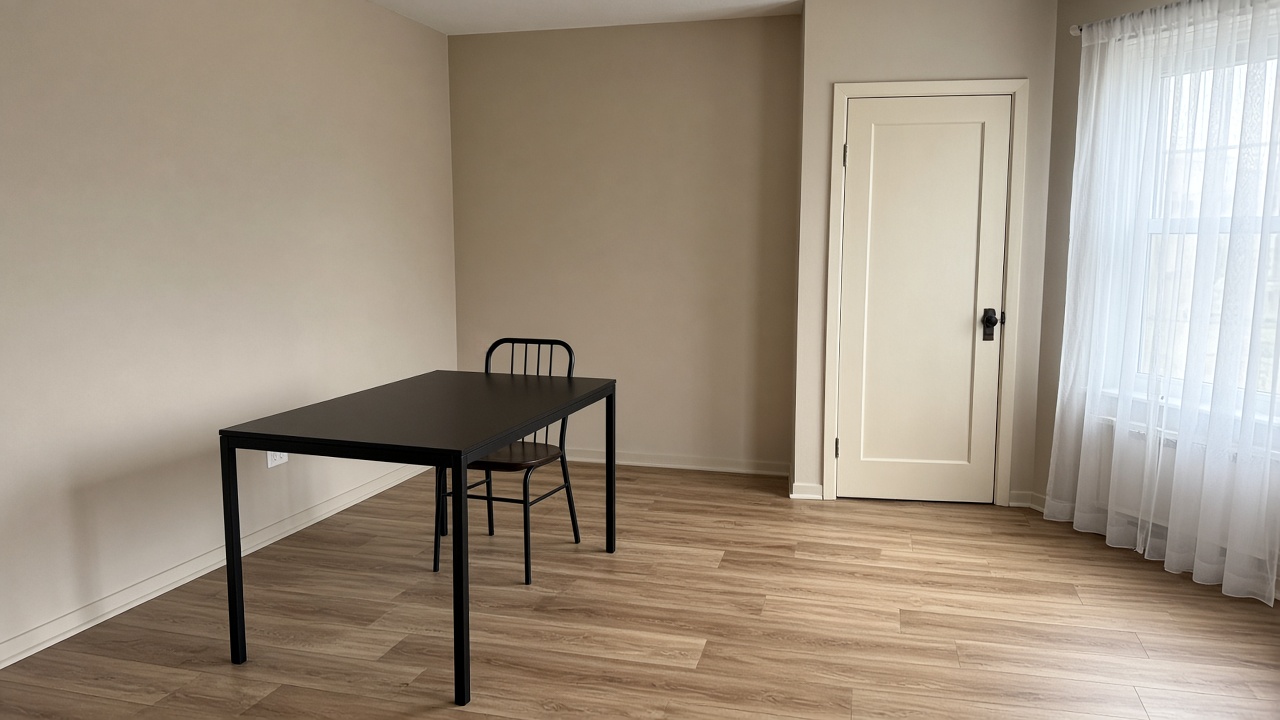
Metal is fine when it does not ring on every step and when a back exists. Add felt. Open bar stools in a pinch aisle are a hip catch every time. A steel bed without a headboard is a window-behind-bed problem if the wall is glass, and a support problem if it is not.
Glass tabletops and shelves are glare machines. They also advertise clutter. If you like the look, keep the top empty and sit out of the bounce. A glass coffee table still needs the shin path from the coffee-table article. Materials do not cancel layout.
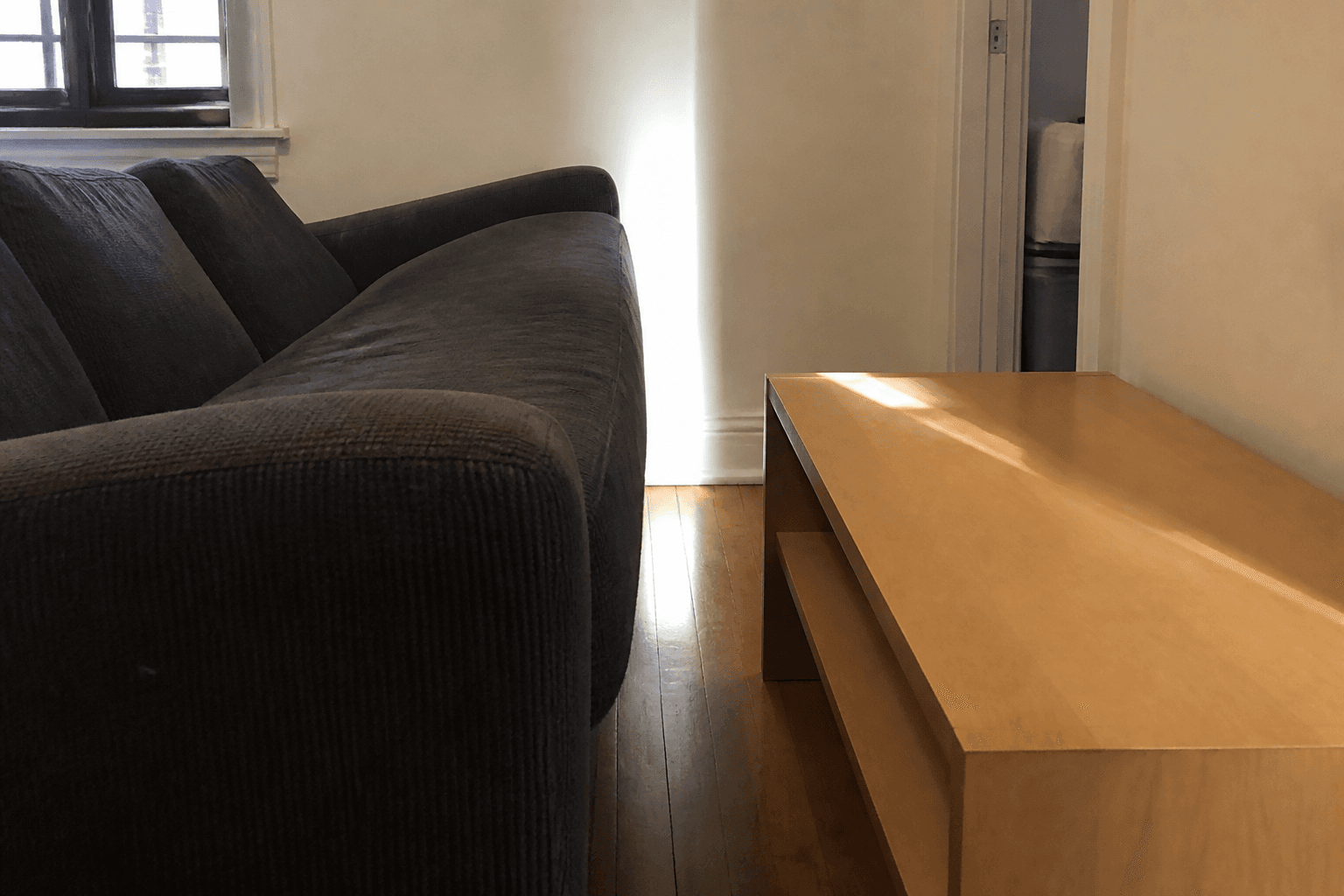
Upholstery is a closed back if the shell is solid. A skinny rail with a thin pad is not a back. Fabric you cannot wash in a rental with kids is a smell story waiting. Refinish is for wood you can sand. Fabric is wash, cover, or skip.
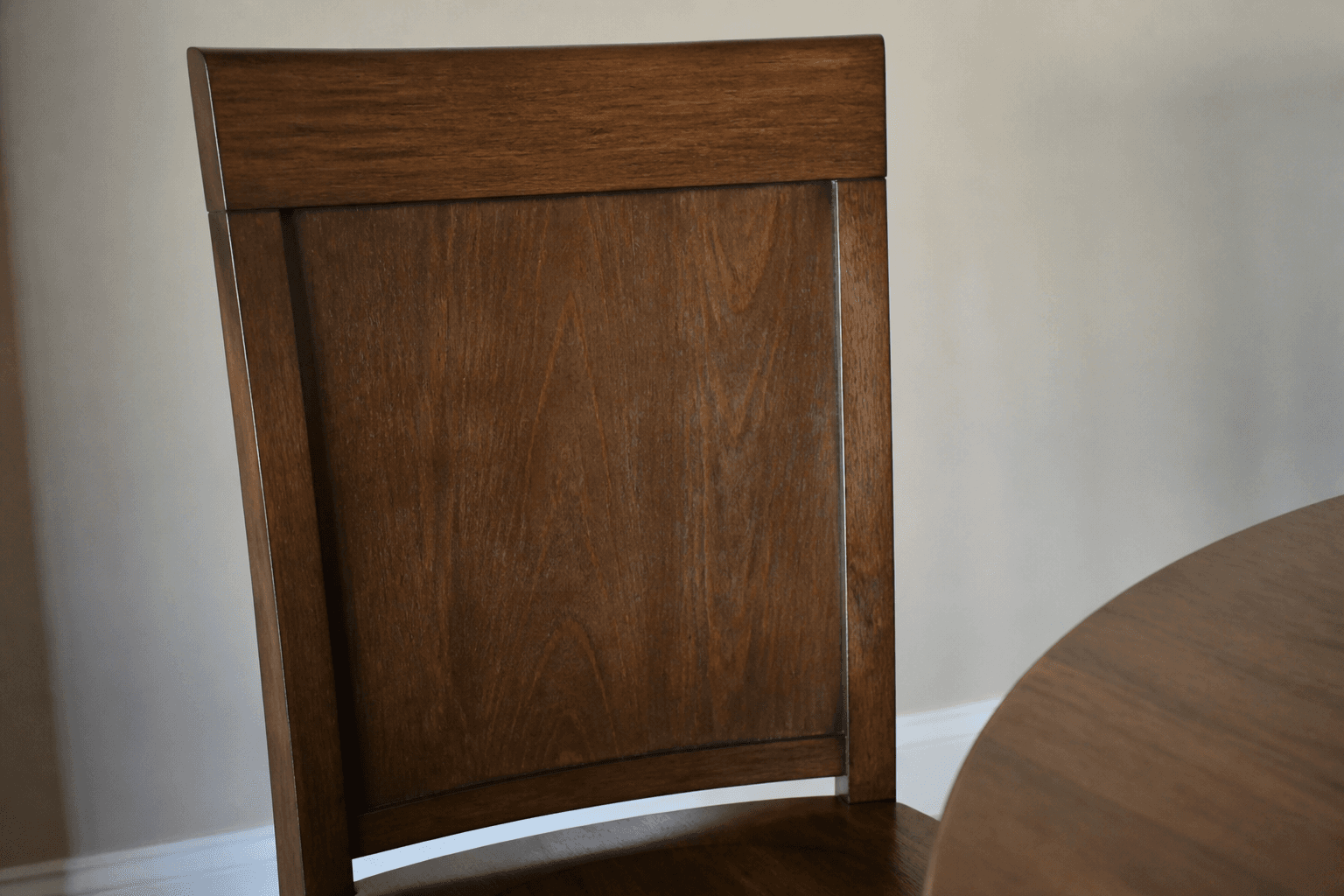
That panel is what "mountain" means in a chair. Open bars can still work in a wide room. In a pinch aisle they read as a rack.
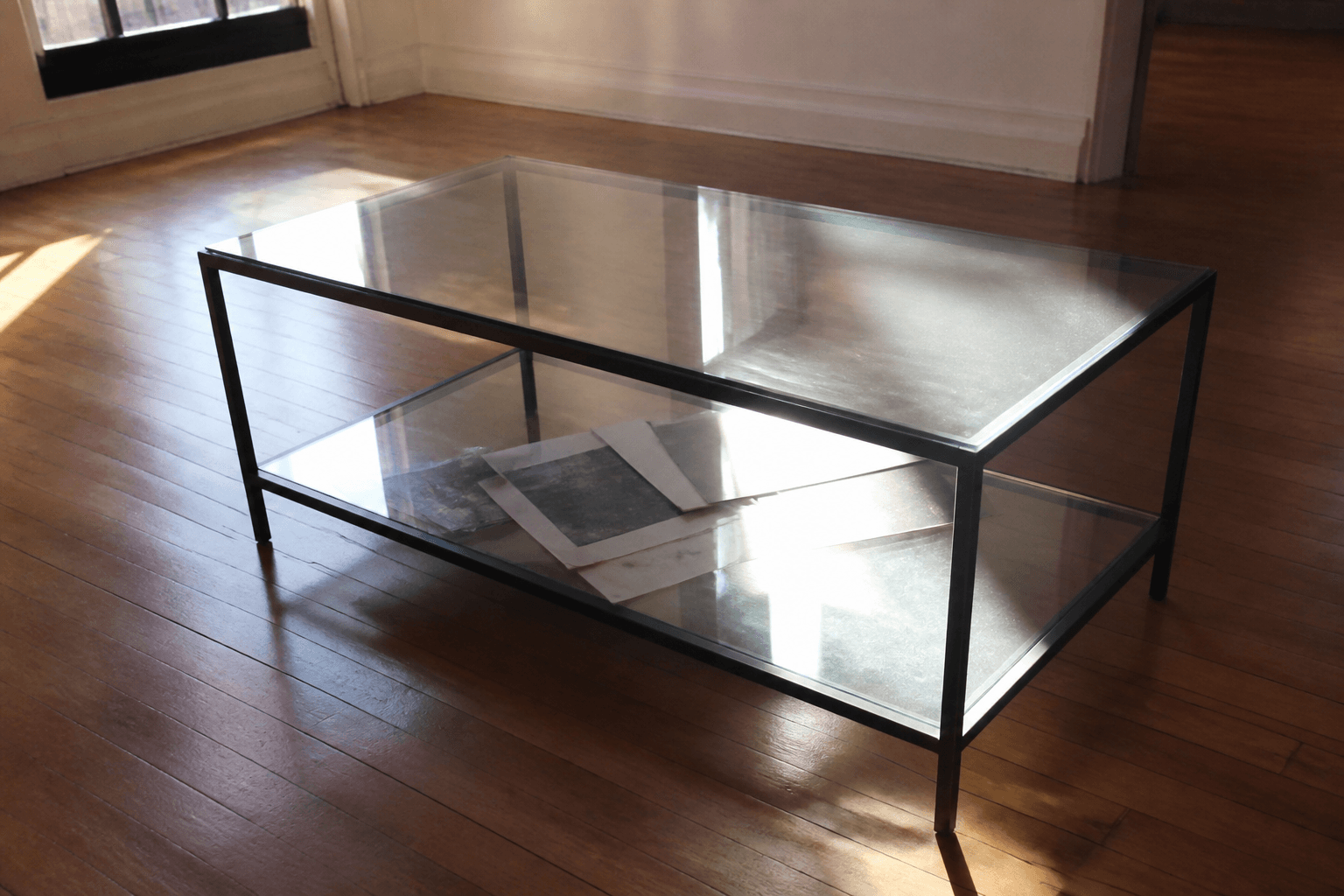
That bounce is the daily cost. Clear is not invisible. The pile still shows, and so does the sun.
Is glass furniture bad Feng Shui?
Glass is glare and a display case. It is not a curse. If you like it, keep the top empty, sit out of the bounce, and still tape the footprint. Clear does not mean the walk is free. A glass console in the latch line fails the same way a wood console does.
Shelves with glass doors show every stack. Closed wood doors hide the stack. That is clutter control, not a species spell. If you cannot keep a glass top empty, pick wood or a washable cloth.
Mirrors are glass with a job. Mirror placement is a cures hub article. A mirrored dresser bouncing the bed is a bedroom-mirror page. Do not merge those URLs into a materials shop.
Is wood better than metal?
Wood often gives a closed back and a quieter knock. Metal can pass with felt, a back panel, and a path around open bars. A wobbly oak fails. A quiet steel chair with a back can pass.
Rattle in a rental is how you hear every shift at 11 p.m. Knock the floor model. If it rings, it will ring at home. Felt on feet is a renter reverse.
Outdoor metal on an indoor walk is a rust and a scratch. Patio furniture is a garden page. Do not use a patio mesh chair as a dining mountain unless you like the hip catch.
Wicker and rattan are light and they snag. They can pass on a porch. Indoors they collect dust in the weave. Wipe or skip.
Upholstered furniture as a material is closed back plus fabric you can live with. The later upholstered-furniture row is more of that job. Tonight, press the seat: if you hit a bar, it is not a back.
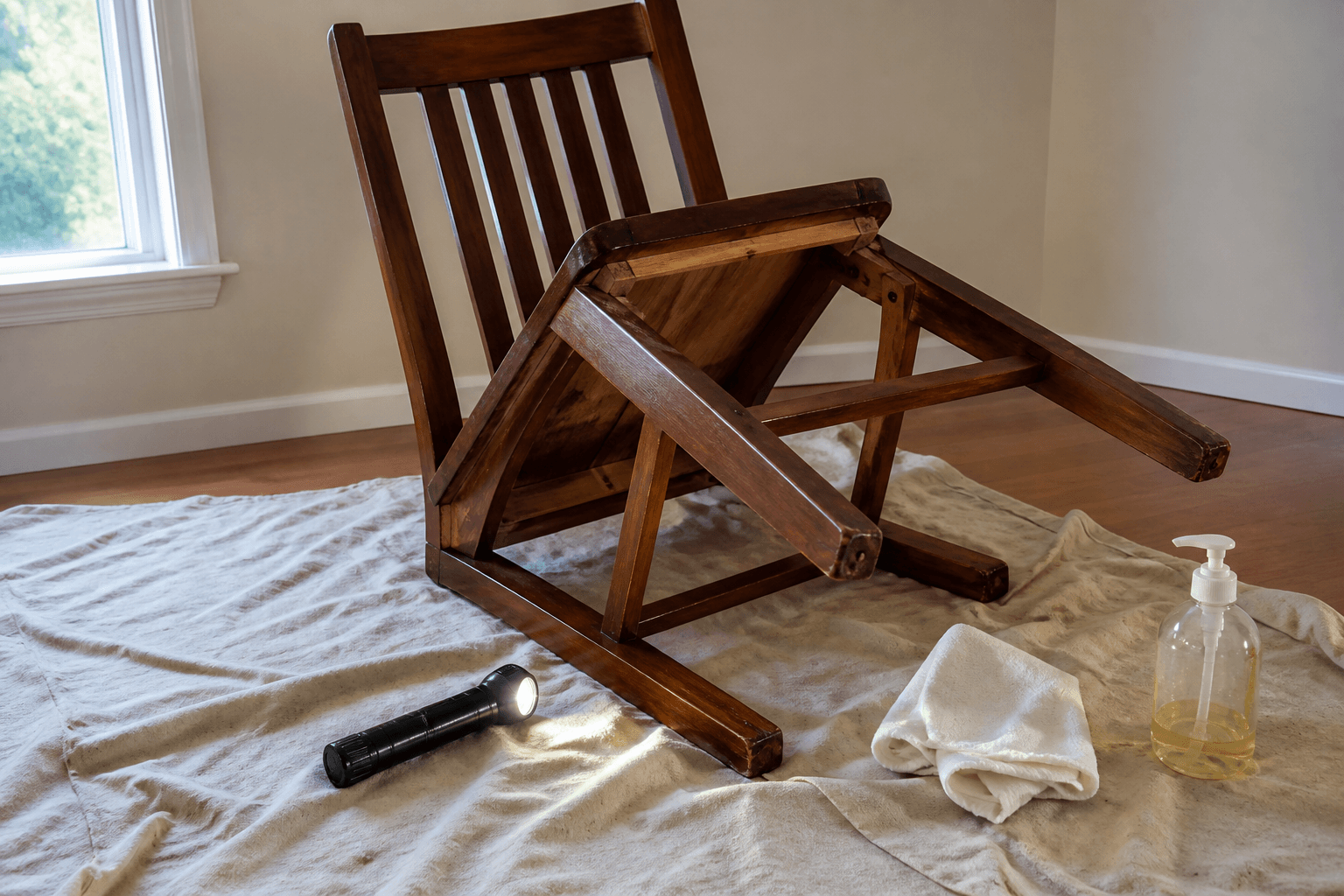
Secondhand pieces get material tests plus joints and smell. A beautiful teak that wobbles is a no. A plain pine that sits still is a yes. Leftover-luck stories stay off this URL.
| Material | Daily cost | When it can pass |
|---|---|---|
| Closed wood | Weight, scratches | Back you can feel, scale already taped |
| Open metal bars | Rattle, hip catch | Felt, wide aisle, a real back panel |
| Glass | Glare, every pile shows | Empty top, sit out of bounce, taped footprint |
| Upholstery | Stains, smell | Solid shell, fabric you can wash or cover |
| Plastic | Slide, wobble | Light move-out, not a sleep mountain |
A dining table material is still a tuck-under and a walk. Table shape (round versus rectangle) is the kitchen article. The top you wipe is this job.
High-gloss lacquer is glare with a wood story. Matte oil shows less bounce. Refinish is joints and oil on a sound frame, a different URL. Tonight, if the showroom lights hide the gloss, take the piece to a window.
Weight, move-out, and the element shop
Heavy stone and solid oak are hard to reverse in a walk-up. Light plastic moves and also slides. Choose a weight you can get out of the building. Delivery day is a later row. Tonight, if you cannot lift a corner in the store, you will hate the stair.
Five-element shopping lists (buy wood for east, metal for west) belong on the five-elements hub after the piece already works. Mixing a "supporting cycle" into a cart is how you own four finishes and no walk. One honest material in the room is enough.
Sharp corners are a shin test, not a poison-arrow curse. Turn the piece or pad the hit. Round edges are a plus when you are already buying. They are not a spell.
Renters: felt, washable covers, oil that can come off later, no glued runners. Owners still skip a marble slab they cannot move in five years.
A later calendar row covers wood furniture as species. Another covers metal furniture as felt and rattle. Glass furniture as glare is already this page's daily test. Do not wait for those rows if you are standing in a store tonight. Sit, look, wipe.
What this is not
This is not sofa placement, desk command, bed geometry, or TV height. Those stay on room hubs. This is not how to arrange furniture you already own.
It is not income. A closed-back chair will not raise rent. Skip medical claims about wood calming a nervous system. If health is a problem, that is a clinician's job.
It is not the furniture hub article, which is buy, skip, and refinish in one place. Scale is tape. Used is frame and smell. Materials are weight, glare, and a back.
Tonight in the store or on the listing
Do this in order. Stop when you have sat the piece, checked a back, and imagined glare at your actual hour.
- Confirm scale with tape at home first. Materials do not fix a too-big footprint.
- Sit. Feel the back. Walk past with a basket in your head.
- Look at the finish in a window. If you squint, glass or high gloss will do that at home.
- Knock. Rattle fails in a quiet rental.
- Photograph your room from the door in FengShui Hero, then compare the empty wall with the piece's visual weight.
If you only do one thing tonight, sit in the chair the way you sit at 8 p.m. Tomorrow, decide whether you need a closed back, or whether the glare on the glass table was the whole story.